Science Edited
The 10% Brain Myth: Why We Really Use All of Our Brain
Neuroscience disproves the 10 percent brain claim through imaging, injury, energy use, and evolution. Here is why you already use all of your brain.
Neuroscience disproves the 10 percent brain claim through imaging, injury, energy use, and evolution. Here is why you already use all of your brain.
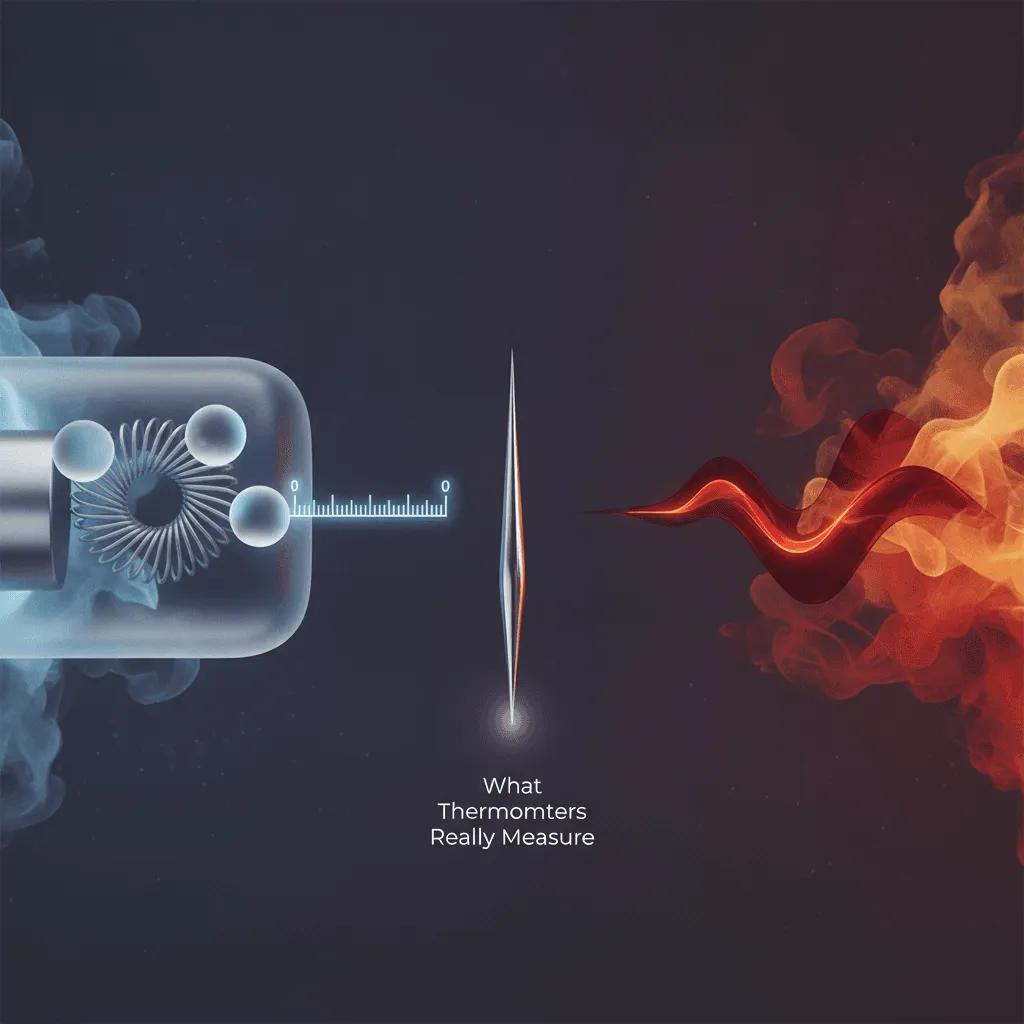
Temperature measures the average kinetic energy of particles, while heat is the transfer of thermal energy. This distinction shows how thermometers work and why the Kelvin scale matters.
Budget travel doesn't have to mean discomfort or danger. These five common myths keep people from saving money, but smart choices make cost-conscious trips safe, enjoyable, and affordable.
More productivity apps can reduce output by draining cognitive energy. A minimalist toolset (task manager, calendar, notes, email) is often more effective.
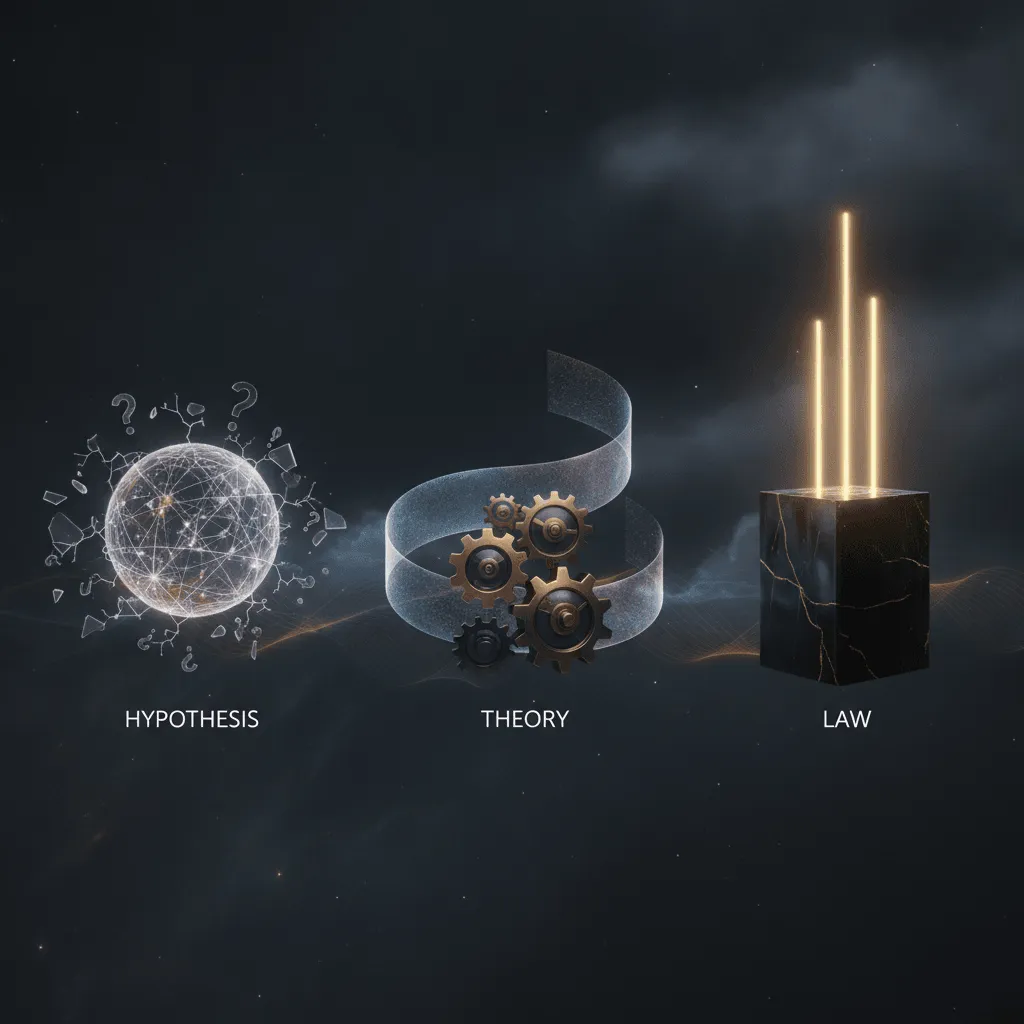
A scientific theory is not a guess. It is the highest level of certainty science offers. Understand how hypothesis, theory, and law differ in scope, not in a linear hierarchy.
On February 28, 1953, Watson and Crick announced DNA's double-helix shape. Rosalind Franklin's X-ray data made it possible, but she was not included in the announcement or the Nobel Prize.
Radiometric dating uses the predictable decay of radioactive isotopes to assign numeric ages to rocks and fossils. Learn how half-lives, common isotope pairs, and cross-checking methods give us the age of Earth.
Discover the core principles of scientific thinking, falsifiability, correlation versus causation, and bias recognition, and learn how to apply skepticism and logic to evaluate evidence in everyday life.
Generative AI can boost productivity by handling drafting, research, and ideation, but only if used as a thinking partner. Learn the mindset shift, use cases, and integration tips to avoid distraction and preserve human judgment.
Slow productivity prioritizes working on fewer tasks with longer time horizons and deep engagement. This method reduces burnout and produces higher quality output, offering a sustainable alternative to hustle culture.
Understanding the time value of money helps you make smarter decisions about saving, investing, and borrowing. Learn why a dollar today is worth more than a dollar tomorrow and how present and future value calculations work.
Learn a step-by-step framework to delegate effectively. Identify tasks to hand off, use a readiness checklist, avoid pitfalls, and multiply your output without working more hours.