What Is the Human Microbiome?
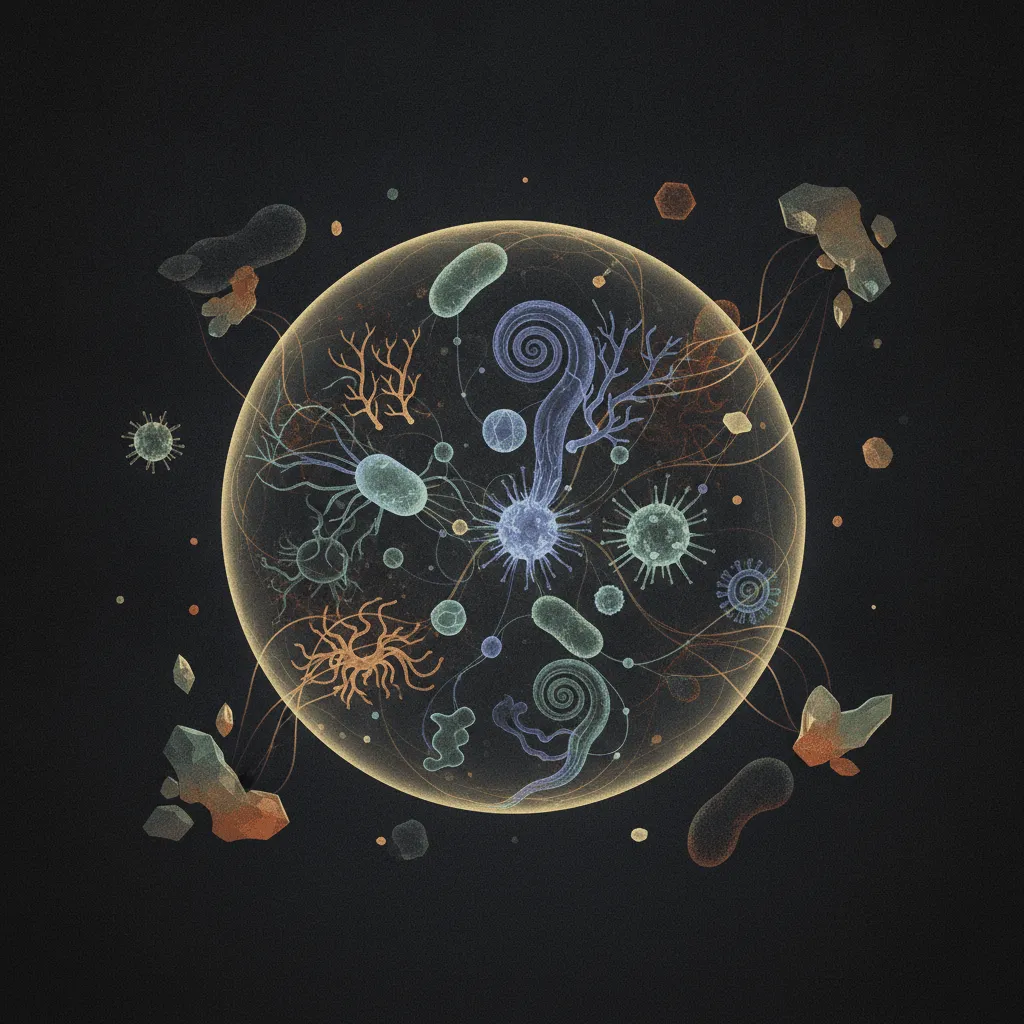
The human body is not just a collection of human cells—it is also a bustling metropolis of microscopic life. Trillions of microorganisms—including bacteria, viruses, and fungi—live in and on us, forming the human microbiome. These microbes are not randomly distributed; they inhabit specific niches: the skin, the mouth, the lungs, and most densely, the gastrointestinal tract. The gut alone hosts the vast majority of these microbes, and their collective genetic repertoire far exceeds our own, encoding hundreds of times more genes than the human genome.
This internal ecosystem begins establishing at birth. Infants delivered vaginally acquire microbes from the mother’s birth canal, while those born by caesarean section initially harbour a different community derived from the skin. Throughout early life, diet (especially breastfeeding), environment, and antibiotic use continue to shape the microbial community. By adulthood, each person possesses a unique microbial fingerprint, although core functional capabilities are shared across populations.
The microbiome is not static; it fluctuates with changes in diet, stress, illness, and medication. In a healthy state, beneficial bacteria outcompete potentially harmful ones, contributing to a resilient ecosystem. Understanding the composition and dynamics of this invisible world has become a central quest in modern biology.
How the Microbiome Supports Health
Far from being passive passengers, our resident microbes play active roles in keeping us healthy. Their most celebrated function is aiding digestion. Gut bacteria break down dietary fibers and complex carbohydrates that human enzymes cannot process, producing short-chain fatty acids such as butyrate, acetate, and propionate. These compounds provide energy for colon cells, reduce inflammation, and have been linked to lower risks of colon cancer.
Beyond digestion, the microbiome acts as a miniature vitamin factory. Gut bacteria synthesize vitamin K and several B vitamins—including B12, riboflavin, and folate—supplementing our dietary intake. Without these microbial contributions, maintaining adequate levels would be more challenging.
A critical—and often underappreciated—role of the microbiome is training the immune system. From infancy, exposure to diverse microbes teaches immune cells to distinguish dangerous pathogens from innocuous substances, reducing the likelihood of allergies and autoimmune diseases. Germ-free animals, raised without microbes, have underdeveloped immune systems and respond poorly to infections and vaccines. This education extends to the effectiveness of vaccinations; the presence of a healthy microbiome can influence the immune response to vaccines, as explored in detail in our primer on how vaccines work. Similarly, the immune system's ability to fight invaders is intimately linked to microbial signals, as discussed in how the immune system fights invaders.
Emerging research also suggests a connection between the gut microbiome and brain function, often called the gut–brain axis. Signals from gut microbes can influence mood, anxiety, and even cognitive function through neural, hormonal, and immune pathways. While much remains to be uncovered, the microbiome’s influence on mental well-being is an exciting frontier.
Dysbiosis: When the Microbial Balance Is Disrupted
In a healthy individual, the microbiome exists in equilibrium, but various factors can disturb this harmony. Dysbiosis describes an imbalance where beneficial bacteria decline and potentially harmful ones proliferate. This imbalance has been associated with a wide range of health problems.
In the digestive system, dysbiosis is linked to irritable bowel syndrome (IBS), inflammatory bowel disease (IBD), and an increased susceptibility to gastrointestinal infections. The loss of protective bacteria can compromise the gut barrier, leading to increased intestinal permeability—often called “leaky gut”—and allowing bacterial products to enter the bloodstream, triggering systemic inflammation.
Beyond the gut, dysbiosis has been implicated in allergic conditions such as asthma and eczema, as well as metabolic disorders including obesity and type 2 diabetes. The precise causal relationships are still being clarified, but the correlations are robust enough to fuel research into microbiome-targeted therapies.
What causes dysbiosis? Diet is a major factor: a diet high in fat and sugar and low in fibre can rapidly alter microbial composition, favouring species associated with inflammation. Antibiotics are another common trigger. While indispensable for treating bacterial infections, antibiotics can wipe out both harmful and beneficial microbes, leaving the ecosystem depleted and vulnerable to overgrowth by pathogens like Clostridium difficile. Even a single course can have lasting effects. Stress and sleep disruption also appear to contribute to microbial imbalance, underscoring the interconnectedness of lifestyle and gut health.
Nurturing Your Microbiome: Diet, Probiotics, and Lifestyle
Given the microbiome’s influence on health, maintaining a robust and diverse microbial community is a worthwhile goal. Fortunately, several actionable strategies can help.
Diet is the most potent tool. A diet rich in diverse plant foods supplies the dietary fibres—prebiotics—that beneficial bacteria thrive on. Foods such as garlic, onions, leeks, asparagus, bananas, and whole grains fuel microbial growth and promote diversity. Fermented foods—yogurt, kefir, sauerkraut, kimchi, and kombucha—provide live microbes that can temporarily bolster the gut community. While these probiotic organisms may not colonize permanently, they can support existing bacteria and enhance gut barrier function.
Probiotic supplements are widely available but their benefits are strain-specific and context-dependent. For preventing antibiotic-associated diarrhoea, certain probiotics (e.g., Lactobacillus rhamnosus GG or Saccharomyces boulardii) have demonstrated efficacy. However, for general health, eating a variety of fermented foods is likely as effective, if not more so, and provides additional nutrients.
Antibiotics should be used judiciously. When prescribed, they are crucial for treating bacterial infections, but their collateral damage to the microbiome should not be overlooked. Avoiding unnecessary antibiotics (especially for viral illnesses) and completing the prescribed course can help minimise disruption. After a course, consuming a fibre-rich diet and fermented foods may aid recovery.
Finally, lifestyle factors matter. Regular exercise, adequate sleep, and stress management are associated with greater microbial diversity and a resilient ecosystem. As the field advances, personalized microbiome modulation may become commonplace, but today, the foundational principles—eat well, avoid unnecessary antibiotics, and live healthily—remain the best prescription for the invisible world within us.