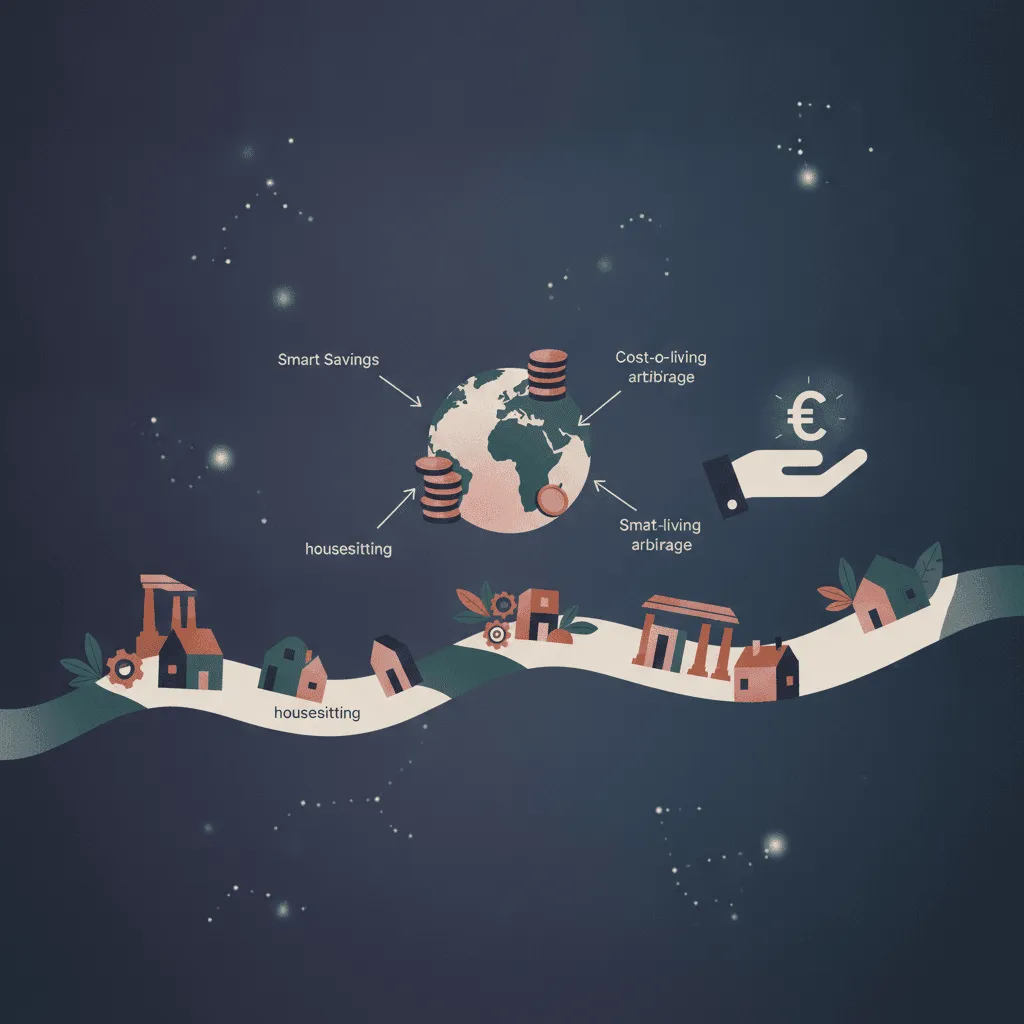
Many dream of extended travel but believe it requires a steady remote income. In reality, strategic approaches can stretch a limited budget over months. By slowing down, leveraging house-sitting, volunteering, and selecting affordable destinations, you can finance a long journey without working abroad. This article outlines actionable methods to make months of travel feasible on a tight budget.
Embrace Slow Travel: Save on Transport and Accommodation
Slow travel is the foundation of budget long-term travel. Instead of moving every few days, settle into a single location for weeks or a month. This approach dramatically reduces transport costs—fewer long-distance buses, trains, or flights. Accommodation providers often offer substantial discounts for weekly or monthly stays; serviced apartments and hostels commonly slash the nightly rate for longer bookings. By committing to a place, you can also negotiate directly with landlords for further savings. Digital platforms make it easy to find monthly rentals at a significantly lower per-night price. Longer stays foster cultural immersion as you explore local markets, cafes, and neighborhoods at a relaxed pace. This slower tempo naturally curbs impulse spending on attractions and souvenirs, making your money last longer—all without requiring you to earn a single dollar on the road.
House-Sitting and Pet-Sitting: Free Lodging in Exchange for Care
House-sitting eliminates your largest travel expense—accommodation—in exchange for caring for a homeowner's property and pets. Trusted platforms connect travelers with homeowners who need sitters while they are away. Responsibilities usually include feeding and walking pets, watering plants, and basic home maintenance. In return, you get free lodging in a fully equipped home, often for weeks or months at a time. House-sitting pairs perfectly with slow travel: you can stay in one place long enough to explore thoroughly while spending nothing on rent. Additionally, living in a real home provides a more authentic experience than a hostel or hotel, and access to a kitchen drastically cuts food costs. Many assignments also include utilities and Wi-Fi. For long-term travelers who are not working, house-sitting is a game changer—it provides a rent-free base without any income stream.
Volunteer for Room and Board: Short-Term Community Projects
Volunteering is another powerful tool for budget long-term travel. Unlike work exchanges that involve commercial tasks, volunteer projects focus on community benefit. Platforms connect travelers with hosts offering free room and board in exchange for a few hours of work daily—typically four to six. Options range from teaching English at a local school to helping on an organic farm or assisting at a nonprofit hostel. The work is often meaningful and provides deep cultural exchange. This arrangement dramatically reduces daily costs since meals are usually provided. It's also a way to give back to communities you visit. Because projects are short-term—often one to four weeks—volunteering fits naturally into a slow travel itinerary. By combining volunteer stints with house-sitting and slow travel, you can sustain months of travel without depleting your savings, all without relying on any remote work.
Choose Low-Cost Destinations for Prolonged Stays
Where you travel matters as much as how. Countries in Southeast Asia, Eastern Europe, and Central America offer a much lower cost of living, allowing your budget to stretch significantly longer. Daily expenses for meals, local transport, and accommodation can be a fraction of those in Western Europe or North America. By staying several weeks in one destination, you unlock even greater savings: many landlords offer monthly rental rates that are half the nightly price. Choosing destinations with favorable exchange rates further amplifies your purchasing power. Research long-term rental options in places known for affordable living, such as Chiang Mai in Thailand, Da Nang in Vietnam, or Budapest in Hungary. These locales also boast strong expat communities, making it easier to settle in. The key is to avoid hopping between costly tourist hubs; instead, base yourself in a less touristy but still vibrant area. By leveraging cost-of-living arbitrage, you can experience a high quality of life on a tight budget—without earning income on the road.
Budgeting for Health Insurance, Visas, and Emergency Funds
Long-term travel requires careful financial planning beyond daily expenses. Comprehensive travel insurance is non-negotiable; it should cover medical emergencies, trip interruption, and evacuation. Specialized providers offer policies designed for extended trips. Research visa requirements for each country: many allow 30- to 90-day stays, but some offer extensions or visa runs for longer durations. Overstaying can result in fines or deportation, so plan ahead. You will also need an emergency fund—a cash reserve earmarked for unexpected medical costs, gear replacement, or a last-minute flight home. Since you are not earning on the road, having a robust emergency fund is especially crucial. By building these costs into your budget, you avoid disruptions that could cut your journey short. Proactive visa and insurance management ensures you can keep traveling without financial surprises.