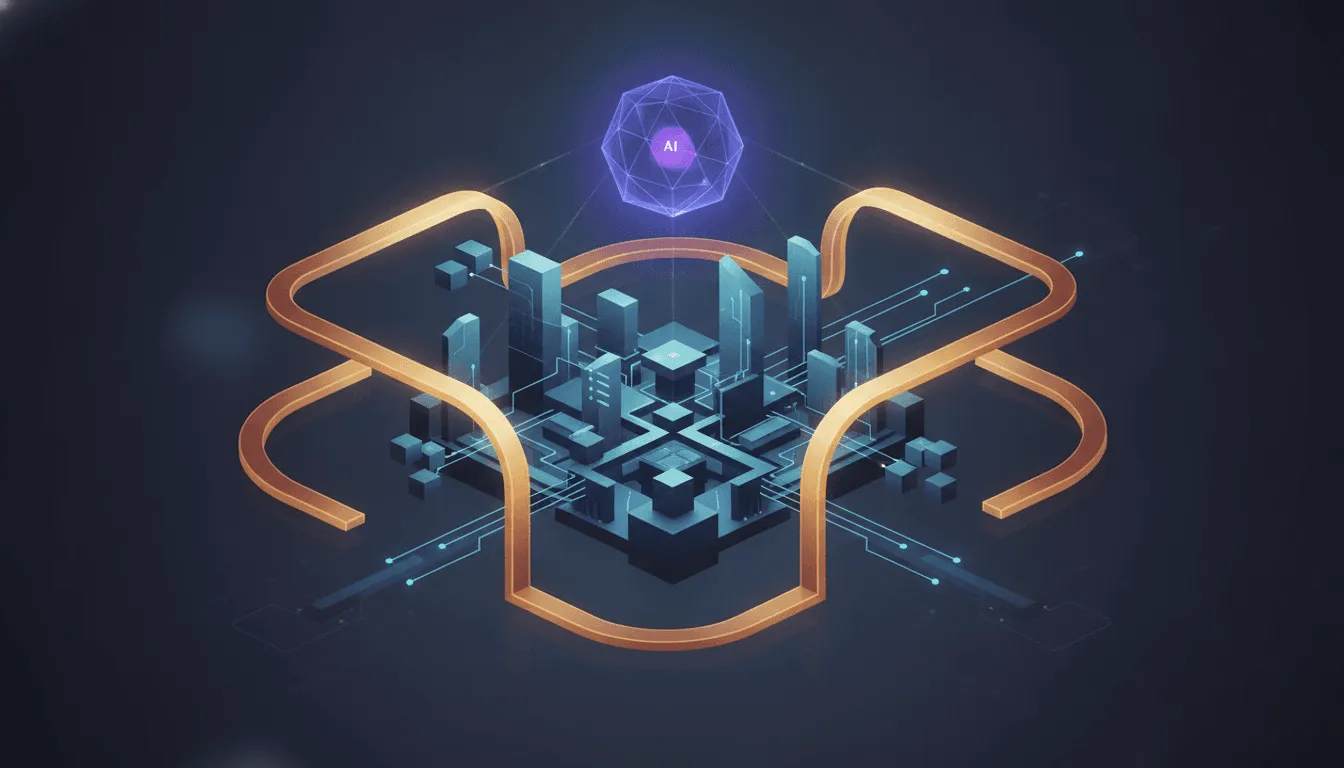
Hardware-in-the-loop (HIL) testing connects physical components, such as sensors and actuators, to a simulated environment that replicates real-world conditions. It sits between software-in-the-loop (SIL) testing and controlled real-world trials: SIL verifies algorithms and logic first, and HIL then exposes hardware-specific issues that pure simulation misses, such as memory constraints on the target hardware.
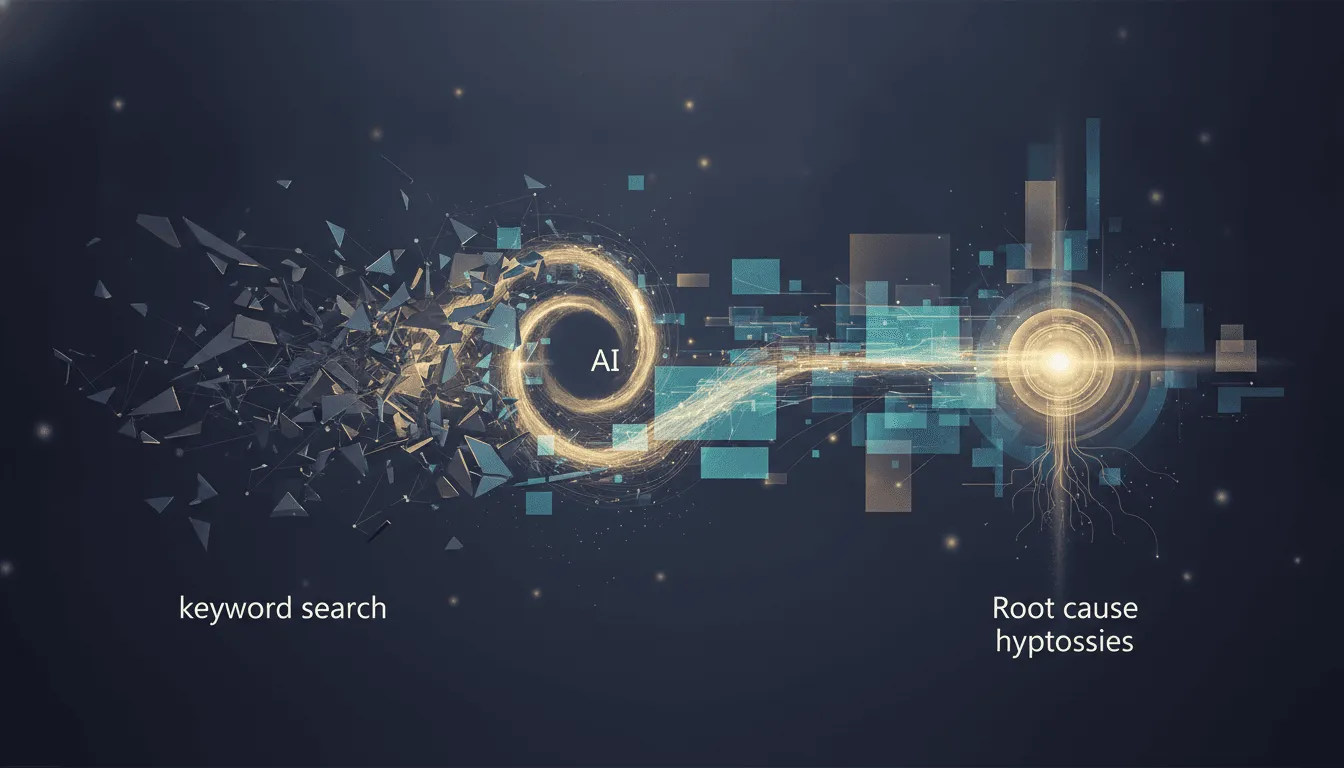
Traditional test design partitions the input space into equivalence classes and probes boundaries, but it can miss rare cross-partition combinations. Neurosymbolic methods, LLM-based generators, and digital-twin co-simulation are starting to appear in drone testing pipelines.
These approaches can generate more diverse and complex scenarios than a manually defined test matrix. A generator might propose a rare combination of hardware faults that a human tester would be unlikely to specify. For example, a drone autopilot could see a simultaneous GPS dropout and motor-current spike that no single partition would catch. But AI-generated scenarios are proposals, not validated tests. A generator can also propose scenarios that are physically implausible, outside regulatory boundaries, or irrelevant to the system's requirements. Every scenario must be checked against a human-defined safety envelope that encodes known risks and regulatory requirements before it runs on hardware. Requirements traceability connects each generated scenario back to a specific requirement, so a scenario that falls outside the envelope is flagged or discarded rather than run blindly.
Neurosymbolic generation separates the two roles. The learned generation model proposes candidates; symbolic constraints enforce the envelope. A symbolic constraint might reject any scenario whose commanded acceleration exceeds the vehicle's structural limit or whose trajectory crosses a no-fly zone boundary. The symbolic layer can also encode regulatory limits such as maximum altitude or minimum separation distance. That turns a regulatory requirement into a machine-checkable predicate. This division of labor keeps the generator exploratory while the safety case rests on the human-defined test matrix and the requirements traceability process, not on the model itself. Teams that treat the AI as a proposal engine, rather than an oracle, preserve the structured, staged validation approach that HIL was designed to support.
The envelope must be written before generation starts. For an autonomous drone, it would include geofence boundaries, maximum wind speed, minimum battery voltage, and exclusion zones around people. Each generated scenario is tagged with the requirement it exercises. A scenario that violates the envelope is discarded; one that passes is linked to a traceability record. A traceability record typically names the requirement ID, the scenario parameters, and the pass/fail criteria. An auditor can then see exactly what was exercised. That record is what lets a validation engineer defend the test set in an audit or a certification review. Without it, a broad scenario space is just a list of interesting inputs.
Integration with existing HIL platforms is the practical hurdle. For teams using dSPACE or NI PXI, the question is how to import generated scenarios into the test-execution workflow. ROS 2-based environments such as NVIDIA Isaac Sim expose scriptable HIL workflows. A filtered scenario can be pushed into the test runner programmatically instead of being re-entered by hand. On dSPACE or NI PXI, teams typically need an adapter that maps generated scenario fields to the vendor's test-parameter format. Simulation fidelity remains the limiting factor. A scenario that is realistic in the plant model may not transfer to real hardware, so HIL results still need controlled in-field validation.
A small, traceable pilot is the recommended starting point. Teams can generate candidate scenarios offline, run them in a co-simulation or digital-twin environment, and promote only the scenarios that pass safety filtering into the HIL test matrix. A practical first step is to take the existing manual matrix, generate variants around its boundaries, filter them against the envelope, and run the survivors on a single HIL rig. That gives a measurable comparison of coverage without replacing the established process. The pilot also exposes integration defects in the import path before the generator is connected to a full validation campaign.