Divorce and Your Finances: Splitting Assets and Rebuilding
Financial separation is a sequence, not a single event. Map every account before you file, divide according to your legal regime, then rebuild on a documented solo budget.

Money fundamentals: budgeting, saving, and financial literacy. General education, never individual financial advice.
Financial separation is a sequence, not a single event. Map every account before you file, divide according to your legal regime, then rebuild on a documented solo budget.

A balanced comparison of traditional and online banks covering fees, interest rates, ATM access, and customer service, with a decision framework for choosing based on your banking habits.
A practical checklist for making the most of a salary increase: calculate your net raise, update your budget, boost savings, pay down debt, adjust tax withholding, and review benefits.
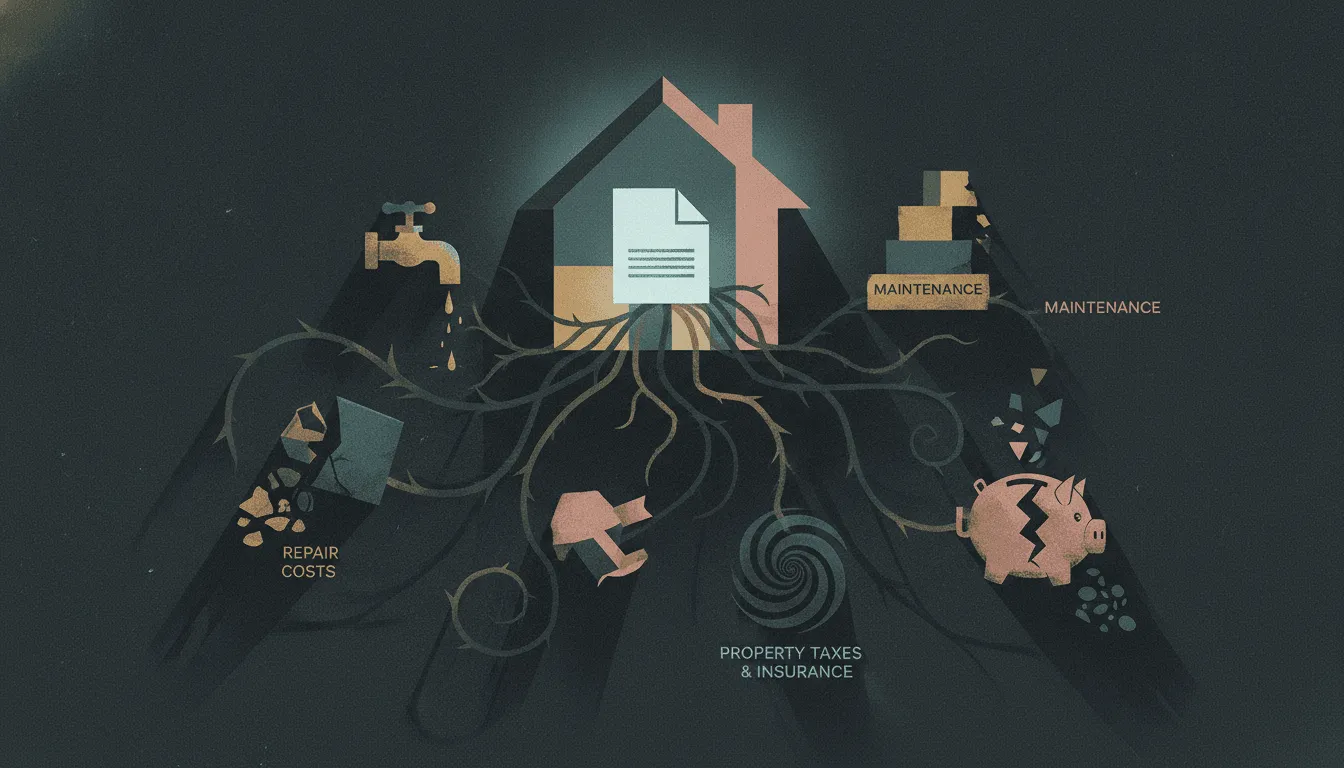
Property taxes, insurance, maintenance, utilities, and HOA fees can add thousands to annual homeownership costs. This line-item framework shows what to budget beyond the mortgage.
Understand compensation models and fiduciary obligations before choosing a financial advisor. Fee structures, red flags, and credential checks are the key filters.
Financial avoidance is a stress response, not laziness. Learn the signs, the emotional roots, and small practical steps to face your bank balance without shame.
Understanding the time value of money helps you make smarter decisions about saving, investing, and borrowing. Learn why a dollar today is worth more than a dollar tomorrow and how present and future value calculations work.
Deciding whether to buy or lease a car? Compare upfront costs, monthly payments, long-term equity, mileage restrictions, and end-of-term options to find the best fit for your budget and lifestyle.
Use this annual financial checkup checklist to systematically review your budget, credit, insurance, investments, and estate plan. Turn financial maintenance into a simple yearly routine.
This article debunks eight common misconceptions about credit, debt, housing, investing, and budgeting, offering evidence-based practices for smarter financial choices.
Explore common models for couples’ finances—fully joint, fully separate, or hybrid—and learn communication strategies to align your goals, handle income differences, and build trust. No one-size-fits-all, but honest talk matters most.
Comparing the financial implications of renting versus buying a home: a balanced decision framework covering upfront costs, ongoing expenses, equity building, time horizon, and personal factors. Not financial advice.