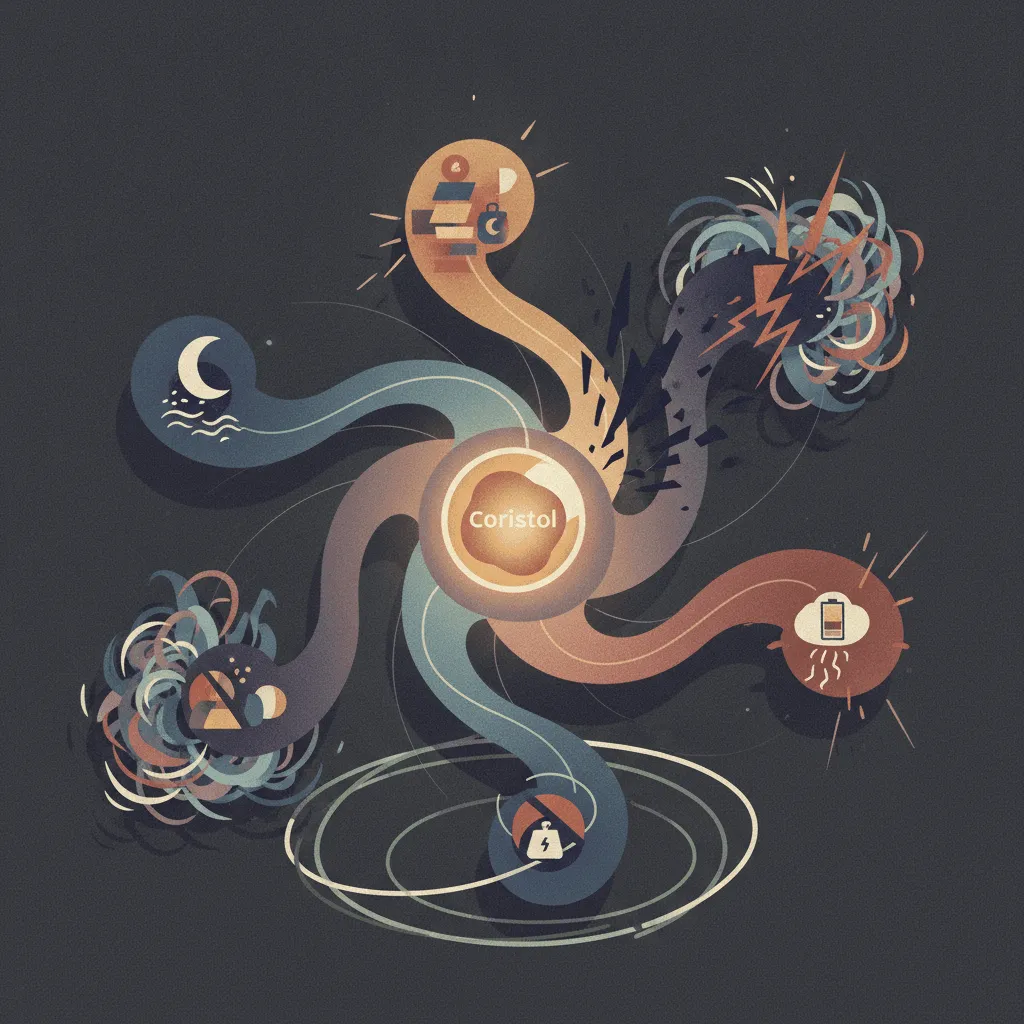
Cortisol is often called the stress hormone, but its role extends far beyond your fight-or-flight response. This essential hormone is produced by the adrenal glands and follows a natural daily rhythm known as the circadian cycle. In healthy individuals, cortisol levels peak in the early morning, helping you wake up and feel alert. They gradually decline throughout the day, reaching their lowest point late at night to promote restful sleep. This ebb and flow is critical for regulating your energy, metabolism, and immune function.
Cortisol's effects are mediated through its interaction with the hypothalamic-pituitary-adrenal (HPA) axis, a feedback loop that regulates the stress response. In a healthy cycle, the HPA axis ensures that cortisol rises and falls appropriately, but chronic stress can disrupt this feedback, leading to sustained high levels. Despite its reputation, cortisol is not inherently bad—it's a vital hormone that keeps you functioning. Problems arise when levels stay elevated for long periods, upsetting the natural balance.
When you're under constant stress, your body's stress response stays activated, causing cortisol to remain higher than normal throughout the day and into the evening. This disrupts the natural circadian decline, meaning your cortisol levels may stay elevated when you're trying to sleep. High cortisol at night inhibits melatonin production, interferes with sleep onset, and reduces deep sleep quality. Over time, poor sleep further stresses the body, creating a vicious cycle.
Elevated cortisol also shifts your metabolism in ways that promote weight gain. It increases appetite, particularly for sugary and fatty foods, by stimulating ghrelin (the hunger hormone) and reducing sensitivity to leptin (the satiety hormone). Moreover, cortisol encourages the storage of fat in the abdominal area due to a high density of cortisol receptors in visceral fat cells. This explains why chronic stress is often linked to increased belly fat.
Despite feeling wired from the hormone's stimulating effects, you may experience deep fatigue as the body struggles to recover. This paradoxical 'wired but tired' state can drain your energy and affect your overall health, making it harder to focus and stay motivated.
The good news is that you can support healthy cortisol rhythms through simple lifestyle adjustments. Prioritizing a consistent sleep schedule helps reinforce your body's natural circadian rhythm. Aim to wake up and go to bed at the same time every day, even on weekends. This regularity helps anchor your cortisol rhythm.
Regular moderate exercise, such as brisk walking, cycling, or yoga, has been shown to lower cortisol levels and improve mood. However, be mindful of overtraining—intense, prolonged exercise can actually raise cortisol and counteract the benefits. A balanced routine of around 150 minutes of moderate activity per week is ideal.
Don't underestimate the power of social connection: laughing and spending time with loved ones triggers the release of oxytocin, which counteracts stress and lowers cortisol. Also, limiting caffeine and alcohol is important. Caffeine stimulates the HPA axis, raising cortisol, especially when consumed later in the day. Alcohol may initially feel relaxing but disrupts sleep architecture and can elevate cortisol during the night.
When stress strikes, you can use quick, science-backed techniques to calm your nervous system. The 4-7-8 breathing technique—inhaling for four counts, holding for seven, exhaling for eight—activates the parasympathetic system via the vagus nerve, promoting relaxation within minutes. Even a brief walk outside can lower cortisol: research shows that spending as little as 20 minutes in nature reduces stress markers.
Practicing mindfulness meditation for just 10 minutes a day has been demonstrated to decrease cortisol levels and improve emotional regulation. Finally, creating a relaxing evening routine with limited screen exposure helps prepare your body for sleep. Blue light from phones and computers suppresses melatonin and keeps cortisol from dropping naturally. Dim the lights an hour before bed, avoid stimulating content, and consider reading or gentle stretching instead.
These small habits, when practiced consistently, can make a significant difference in how your body handles stress, helping you restore balance to your cortisol rhythm.