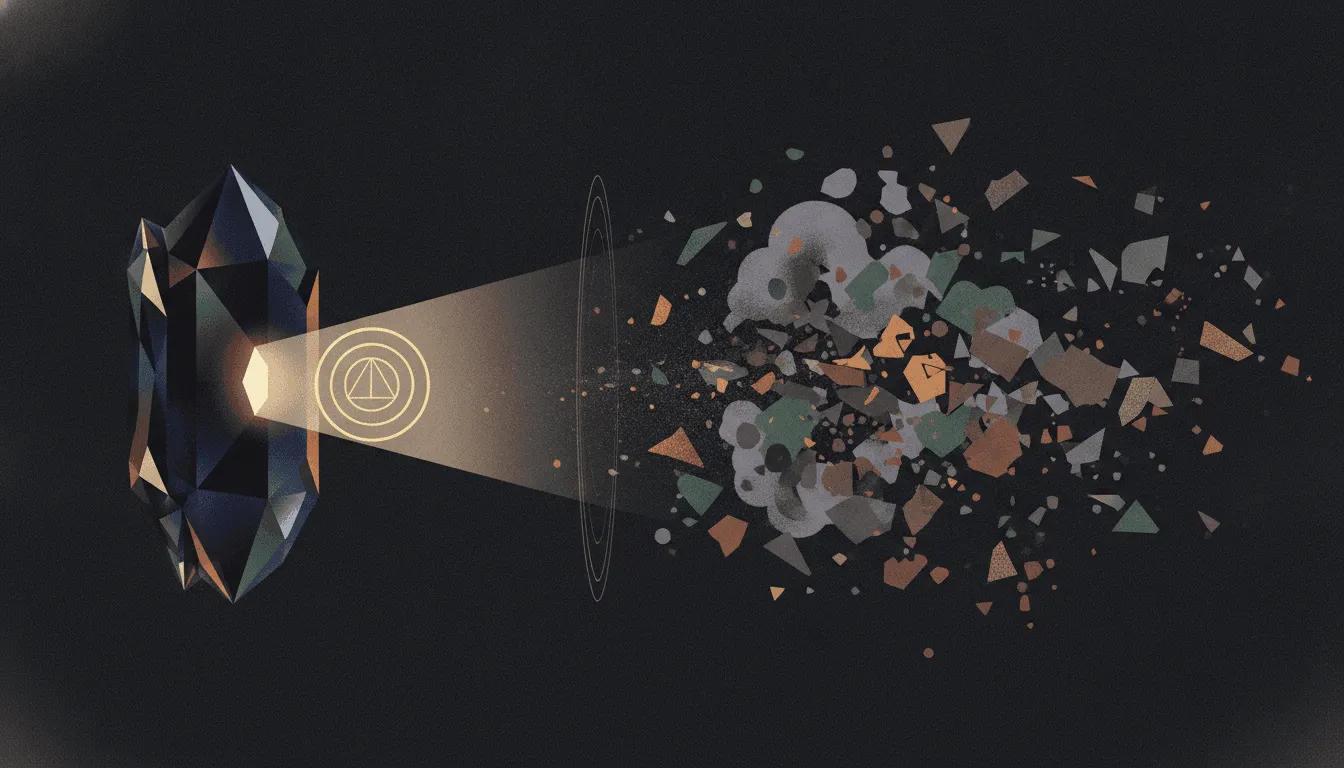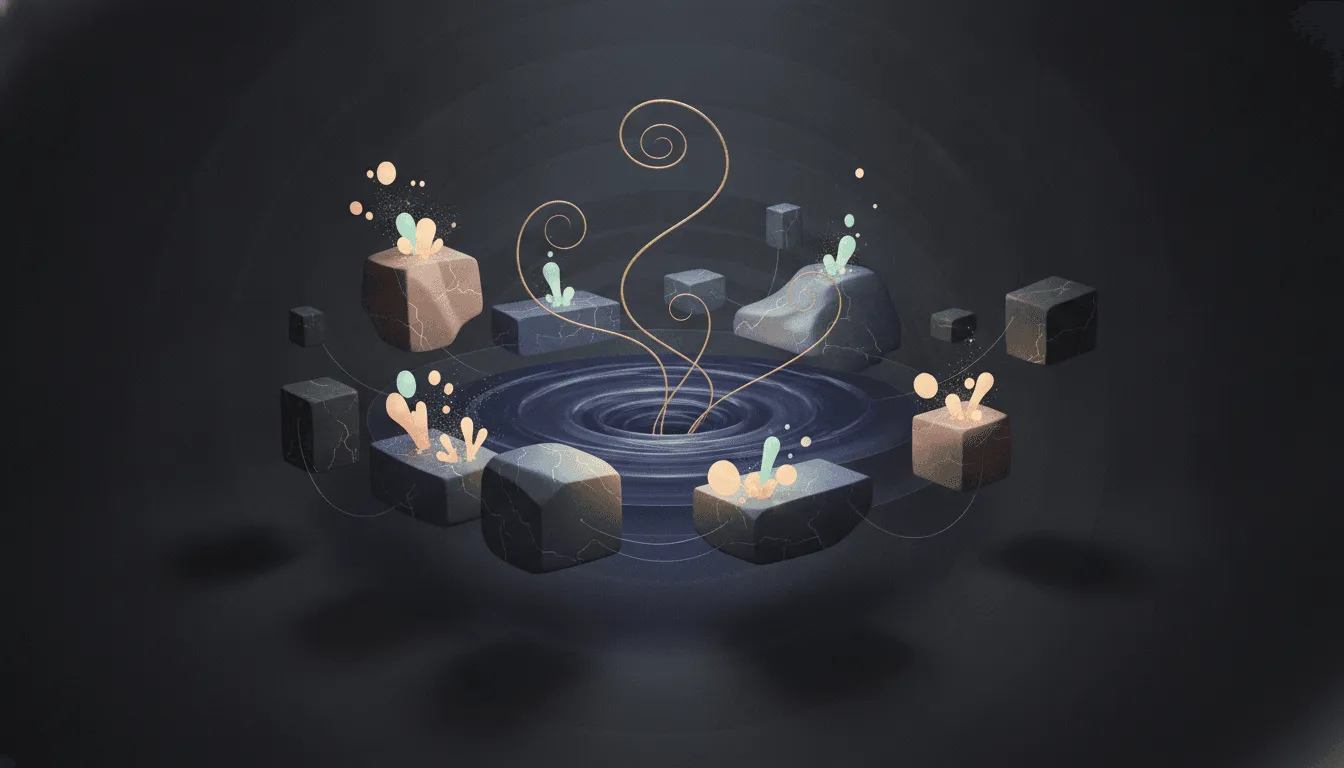
Boredom activates the brain's default mode network, the resting-state architecture behind creative problem-solving. The DMN is a set of interconnected regions, including the medial prefrontal cortex, posterior cingulate cortex, and angular gyrus. It supports self-reflection, mental exploration, and creative ideation, as well as emotional processing and social interaction. When researchers dampened DMN activity, participants generated significantly fewer creative solutions while other cognitive functions stayed normal. Creative ideas originate in this resting-state network before being evaluated by other brain regions.
The evidence extends beyond the lab. In one study, participants who read a telephone directory before brainstorming produced more creative uses for plastic cups than those who did not. The boring task primed their minds to wander. Historical cases align. Albert Einstein credited daydreaming during his mundane patent-office job with creative breakthroughs. J.K. Rowling conceived the Harry Potter series during a delayed train journey, when enforced idleness let her mind drift.
Not all downtime works the same way. Input-rich downtime means scrolling feeds or jumping between apps; input-free idleness means no phone, no podcast, no conversation. The quality of mental downtime matters as much as its existence. Unfocused attention is what triggers creative incubation. A walk with a podcast is not the same as a walk with nothing. The former keeps your attention directed outward; the latter lets it drift inward. If you want the DMN to do its work, you have to give it empty space, not just a change of scenery. Staring out a window counts. Checking notifications does not. That is why so many breaks fail to refresh: they replace one source of input with another.
Strategic idleness needs structure, not spontaneity. Three practices fit into a normal workday.
The no-input commute. Leave your phone at home or buried in your bag. Let your mind drift during the trip. A mundane stretch becomes an incubation period. This is a form of digital minimalism, applied to the margins of your day.
The boredom walk. Walk without any devices, no headphones, no phone. This is distinct from a walking meeting or a podcast-filled stroll. Your attention wanders unfocused, and the DMN takes over.
Scheduled think-time blocks. Put 15 to 30 minutes on your calendar for idleness. Use a timer to make it intentional rather than guilt-inducing.
Pair any of these with a pending problem. Pose a specific question, then step away into one of the practices. Return afterward and let the insights surface. John Cleese described this as the open mode of thinking: relaxed, expansive, contemplative, playful, as opposed to the closed mode of constant focus. The framework is simple: ask, idle, return. The idleness is not the absence of work. It is part of the work.
Creativity is the residue of time wasted.
Boredom is uncomfortable. Modern productivity culture treats every empty moment as an emergency, and that conditioning triggers anxiety or guilt when you stop doing. The discomfort is a feature, not a flaw. It signals the mind is leaving its usual grooves.
Start with short, scheduled periods. Five minutes is enough at first. A timer makes the idleness feel intentional and finite, which reduces anxiety. Gradually extend the stretches as tolerance builds. Reframe idleness as productive downtime rather than wasted time. The goal is not to eliminate discomfort but to tolerate it long enough for the DMN to activate. This approach pairs well with sustainable productivity practices that treat energy as a finite resource.