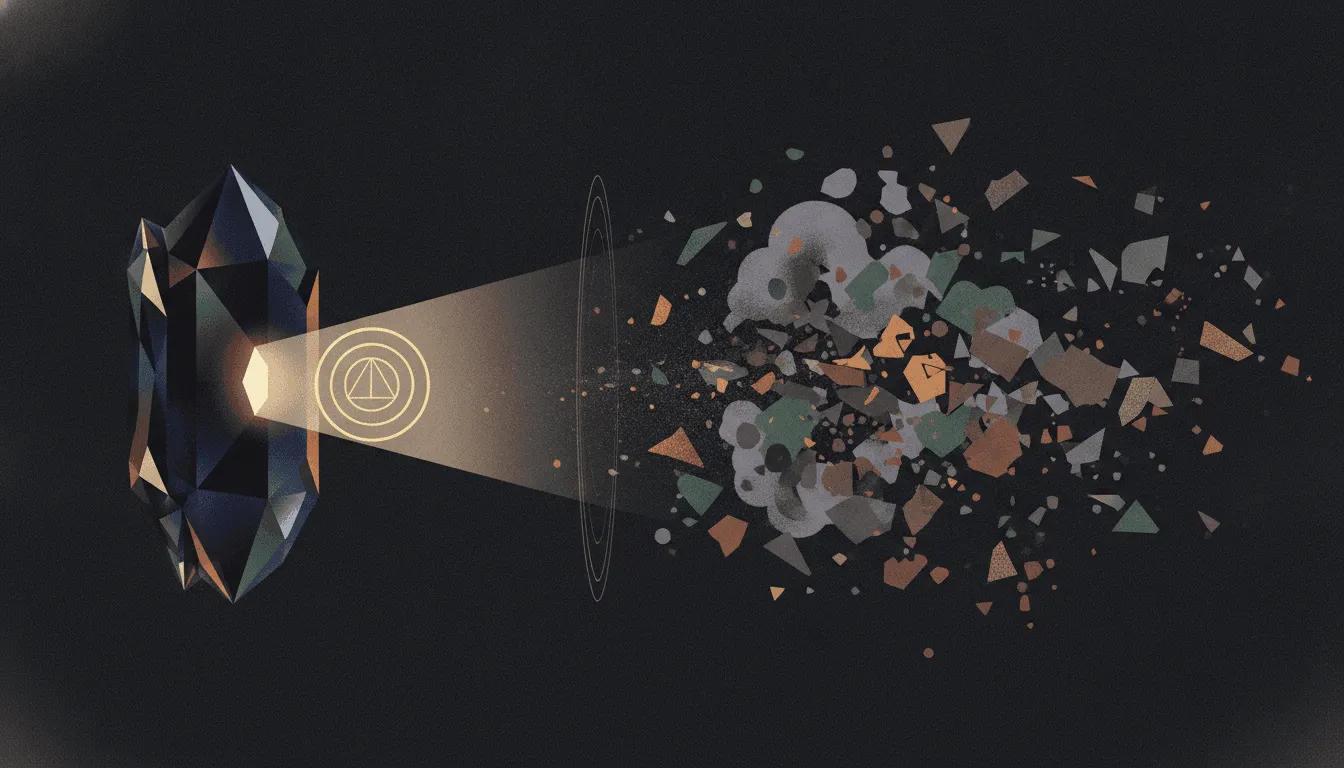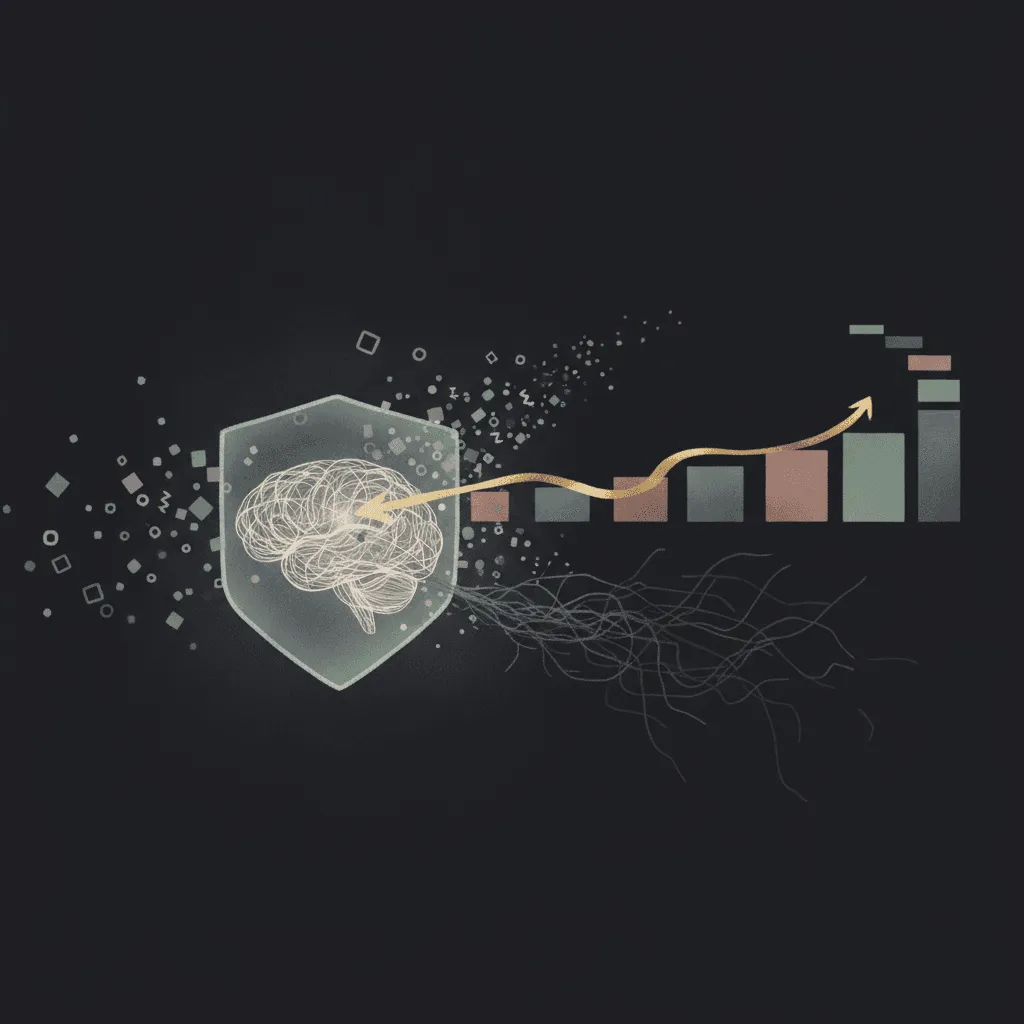
Paradoxically, the more tasks you take on as a high performer, the more decisions you face—and the greater your risk of mental depletion. Decision fatigue quietly erodes the mental resources needed for meaningful work. Each time you choose lunch, pick a meeting time, or decide which email to answer, you spend a small portion of your cognitive budget. Over the course of a day, these micro-choices accumulate, leaving less willpower and clarity for complex tasks. The effect is cumulative: as mental energy depletes, judgment becomes poorer, and the tendency to take shortcuts or procrastinate increases. For knowledge workers, who face a steady stream of such decisions daily, the result is often a mounting sense of exhaustion long before the workday ends. This is not just a feeling—it is a documented phenomenon that undermines productivity and contributes to burnout.
Common culprits of decision drain include deciding what to eat, what to wear, how to schedule the day, which emails to prioritize, and constantly deciding whether to switch tasks. These trivial choices may seem inconsequential individually, but together they consume significant mental energy. Highly productive people recognize this and deliberately reduce the number of decisions they face: they establish routines for meals and wardrobe, set fixed meeting slots, and minimize context-switching by batching similar activities. By automating or simplifying these micro-choices, they preserve their cognitive firepower for what truly matters. In fact, automating routines and regular tasks frees mental energy for more important work.
One of the most effective strategies is to plan the next day's schedule and priorities the night before. This simple habit eliminates the morning decision scramble: instead of wasting mental energy deciding where to start, you have a clear roadmap. Adopting a consistent morning ritual—such as reviewing your plan, exercising briefly, or meditating—further reduces mental clutter by making the transition into work automatic. Similarly, setting default meeting slots, using email templates for common responses, and automating reminders for recurring tasks can cut down on repetitive choices. In 2025, letting AI handle routine tasks—such as drafting replies, scheduling appointments, or sorting emails—has become a practical way to offload decisions entirely. By delegating these low-stakes choices to technology, you free your mind for higher-level thinking.
Protecting focused work time is another way to limit decision-making. When you silence notifications, close unnecessary tabs, and set boundaries around your most productive hours, you remove the constant need to decide whether to respond to an interruption. Batching similar tasks and creating a consistent deep-work routine eliminates the mental load of context-switching. This preserves cognitive resources for the work that truly matters. Even one daily block of undistracted time can significantly improve output and reduce stress. Finally, building habits around recurring activities makes good choices automatic. Instead of deliberating whether to exercise or which task to start first, a pre-set habit triggers the behavior without conscious effort. Over time, these routines become second nature, freeing mental capacity for the complex problem-solving that moves your work forward.
Reducing trivial decisions does more than prevent afternoon fatigue—it sustains long-term productivity. When you conserve mental energy for high-value tasks, you produce better output and lower the risk of burnout. Sustainable performance depends on managing energy, not just time; rest and recovery become integral parts of the system, not afterthoughts. Without recovery, productivity eventually collapses. By designing a low-decision workday, you build resilience and ensure that your energy is directed where it matters most. Small changes in decision design compound over time, resulting in greater focus, resilience, and satisfaction with your work.