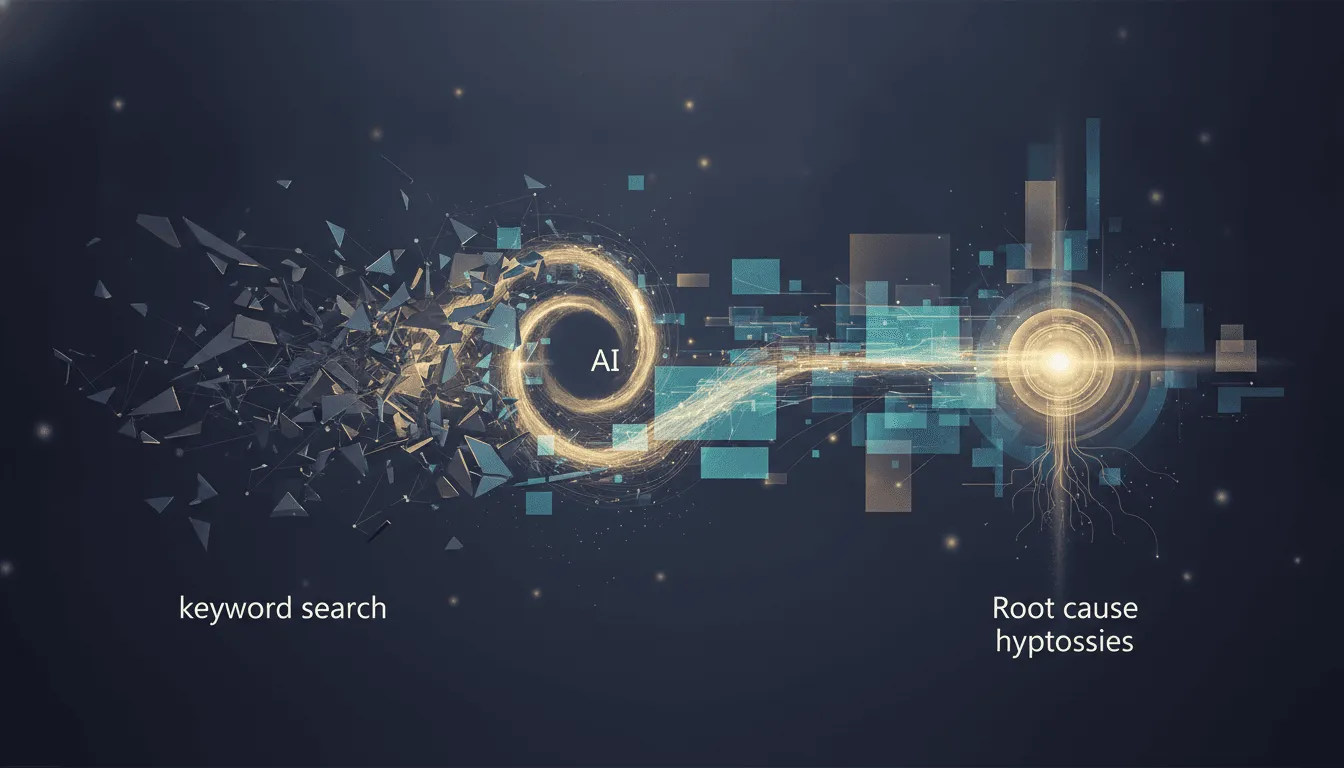
The hype around AI is giving way to a more pragmatic focus, particularly in code generation. As experts note, 2026 will be the year AI gets practical, with a shift from brute-force scaling of large language models to deploying smaller, targeted models that integrate into human workflows. This transition frames AI not as an autonomous agent but as a tool that augments the work of developers, reflecting a broader move from flashy demos to targeted, real-world deployments.
When applying AI code assistants to large, legacy codebases, contextual awareness is critical. AI tools must understand project dependencies, revision history, and existing conventions to generate safe and coherent code. Drawing from practices in hardware design, AI can leverage context such as component libraries and approved vendors. In software, this means indexing internal libraries, API specifications, and design patterns so that suggestions align with the project's architecture and roadmap.
AI is a tool that humans can and should control.
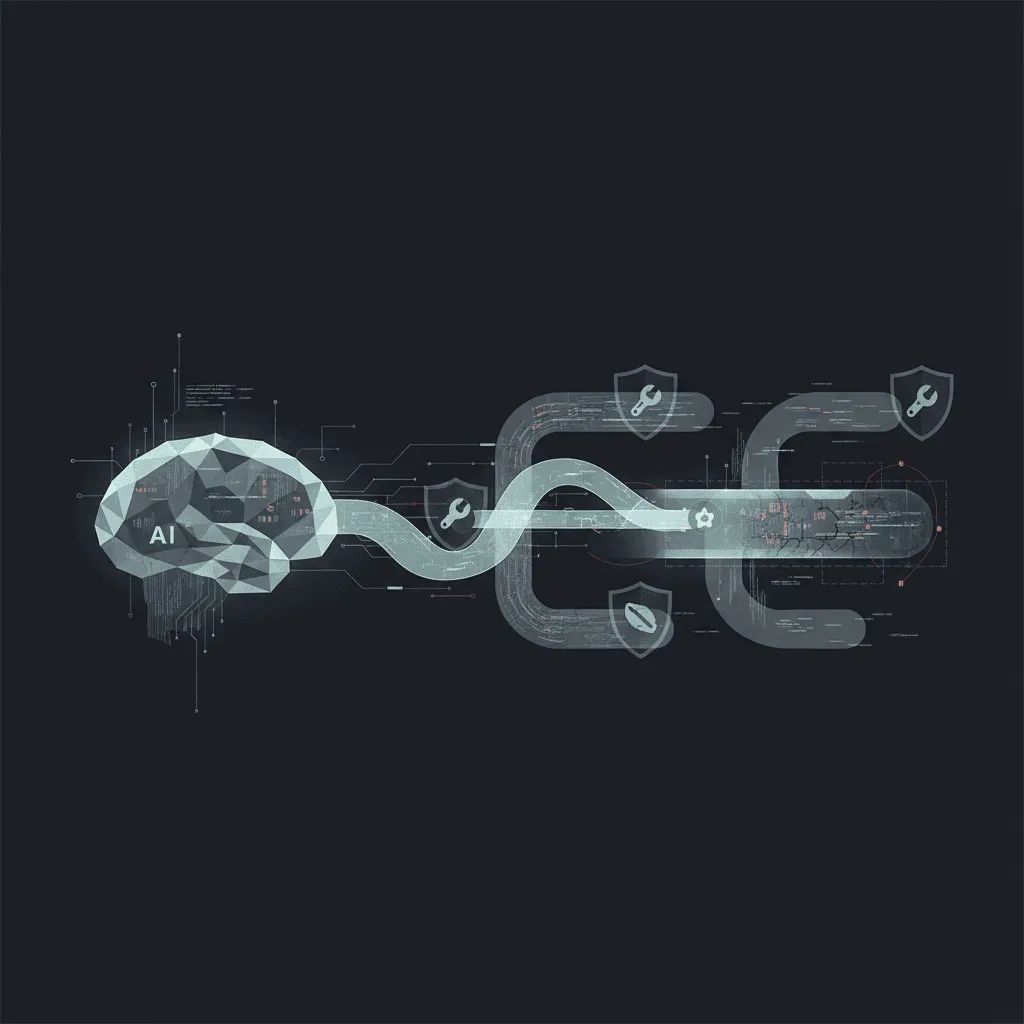
All AI-generated code must undergo a rigorous security review process. The perspective of AI as normal technology emphasizes human control and institutional governance. Before acceptance, code should be checked for vulnerabilities, compliance with security policies, and potential breaking changes. AI can aid this process by producing review checklists, similar to how hardware engineers use prompt-driven checklists to ensure safety.
Legacy codebases often contain deprecated patterns and inconsistent styles. AI assistants must adhere to these existing conventions to avoid introducing chaos. Standardizing project starting points with AI-powered templates, akin to proven crash-test protocols in automotive engineering, can help enforce consistency while respecting historical decisions. The slow, uncertain nature of technology adoption means that AI should facilitate gradual evolution, not radical disruption.
Organizations can further tailor AI to their specific needs by fine-tuning models or opting for smaller, domain-specific models. This aligns with the pragmatic trend of deploying smaller models that are more efficient and easier to control. By shaping AI through internal datasets and style guidelines, companies can ensure that generated code matches their conventions and best practices, turning AI into a true organizational asset.
Ultimately, the role of AI in code generation is that of a co-pilot — a tool that integrates into existing workflows and augments human decision-making. By focusing on contextual awareness, security review, adherence to conventions, and customization, teams can responsibly harness AI to increase productivity without compromising code quality or introducing unnecessary risk.