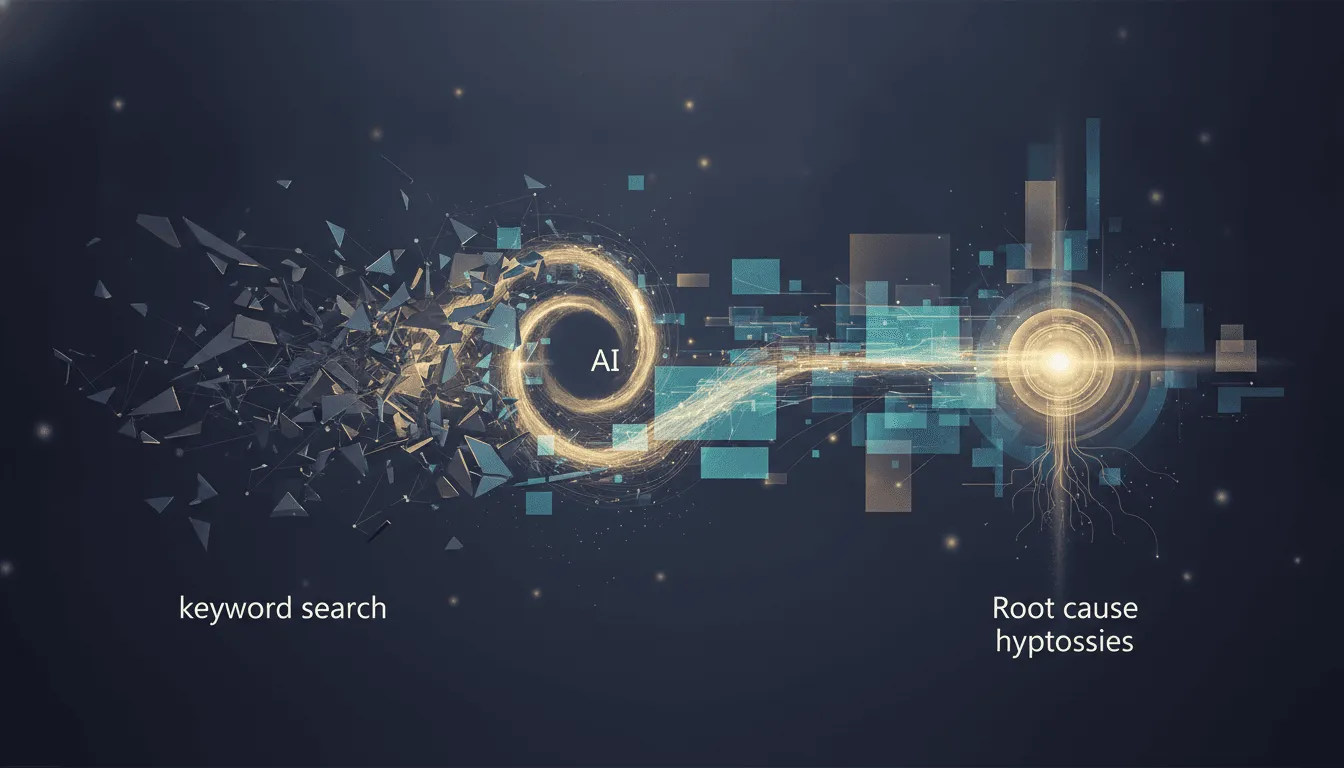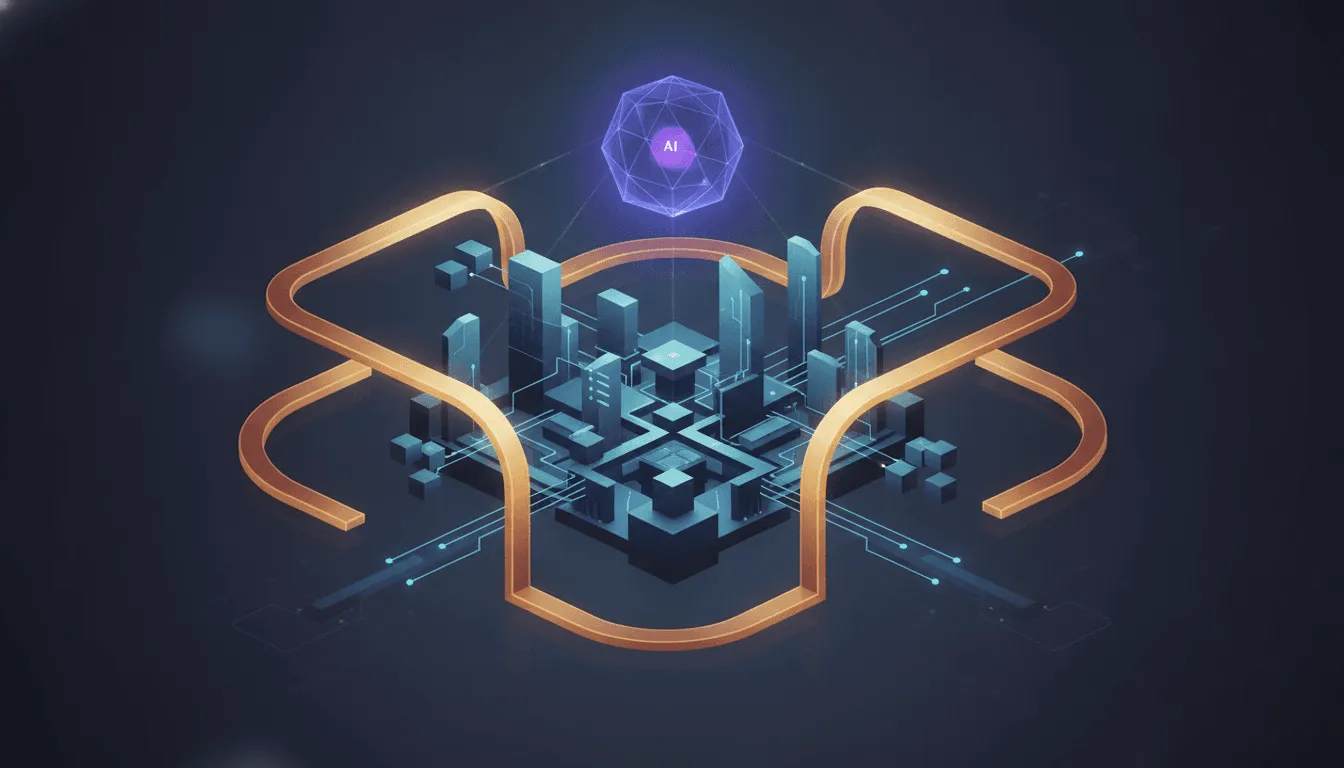
In 2026, the AI industry is shifting from brute-force scaling to pragmatic deployment. According to experts, this year marks a move from flashy demos to targeted, reliable systems that augment human work rather than promise autonomy. At the heart of this shift is the agent loop—the architectural harness that governs how an LLM perceives context, reasons toward a goal, acts via tools, and observes outcomes. Designing this loop, not just selecting a model, is becoming the primary differentiator for real-world performance.
AI is a tool that humans can and should control, not as a superintelligent entity.
Each phase of the loop requires careful design. In the perceive phase, prompt structure must be clean and minimal, drawing only on relevant context. The reason phase calls the LLM with instructions that are explicit about available tools and constraints. Act involves invoking tools with strict validation—checking arguments, handling errors, and logging results. Finally, observe feeds outcomes back into context, completing the cycle. These practical considerations mirror the broader trend toward targeted, well-scoped AI deployments that integrate into existing workflows.
Over long tasks, errors compound quickly. A robust agent loop includes a hierarchical recovery system: automatic retries for transient failures, fallback strategies for persistent errors, and escalation to human oversight when the system reaches its limits. Circuit breakers detect repeated failures and temporarily halt the loop to prevent runaway behavior, while kill switches allow operators to intervene directly. This emphasis on human control aligns with the view of AI as a normal, controllable technology—not an autonomous entity.
Context management prevents state drift across iterations. Without careful handling, the loop can lose coherence as it accumulates irrelevant or conflicting information. Effective designs implement context resets or compaction at regular intervals, and categorize memory into three timescales: short-term (the current turn), medium-term (recent interactions), and long-term (persistent knowledge like approved vendors or design libraries). This layered approach ensures the loop stays focused and consistent, much like how hardware engineers rely on standardized component catalogs.
Well-designed processes often outperform even the most advanced models in real-world deployments. By treating the agent loop as the primary engineered artifact, teams shift focus from model-centric hype to system-level reliability. This pragmatic approach echoes the normalization of AI: a technology shaped by institutions, adopted slowly, and integrated into human workflows. As 2026 ushers in a more grounded AI landscape, loop engineering stands out as the practical core that makes LLM agents coherent, controllable, and truly useful.