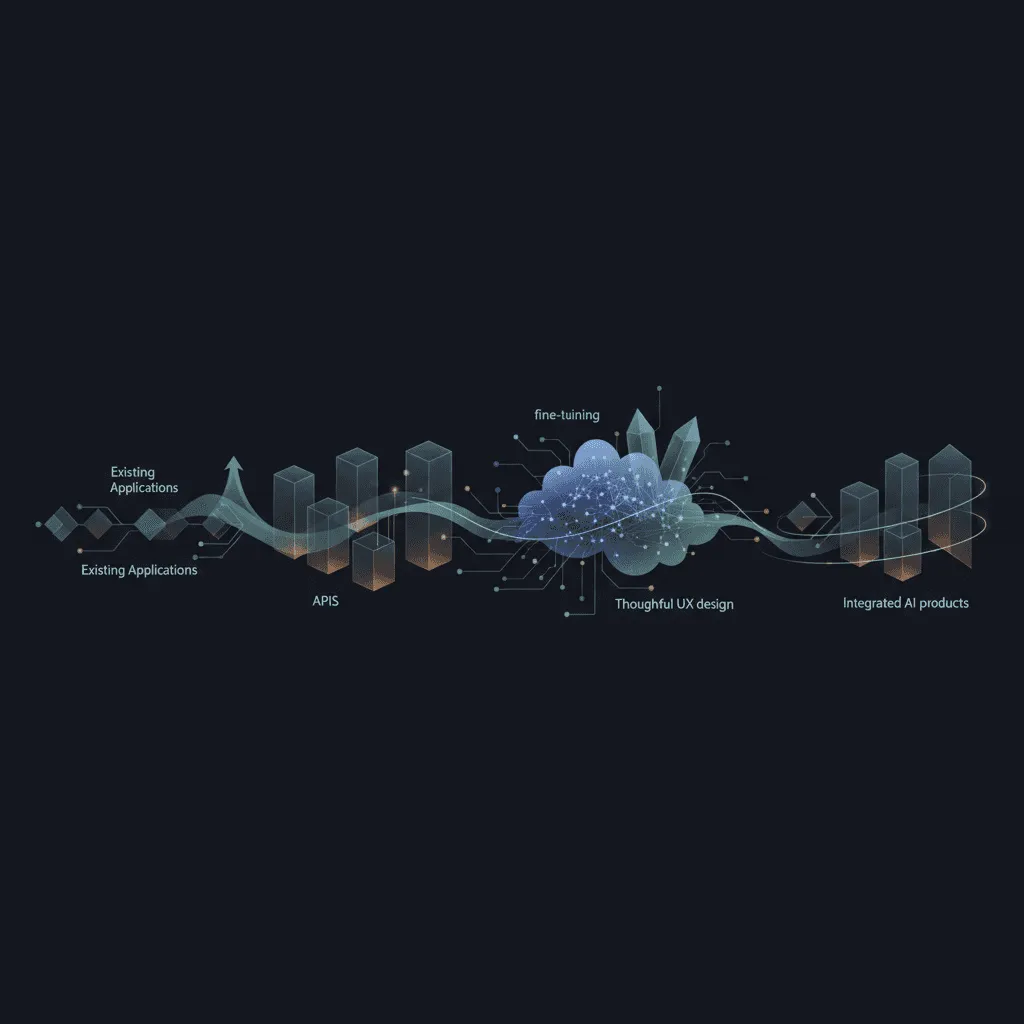
As the initial excitement around artificial intelligence settles, 2026 is shaping up to be the year AI gets practical. Experts describe a shift from brute-force scaling of large language models to deploying smaller, more targeted models that integrate into human workflows. Rather than chasing autonomy, many organizations are embedding AI features into existing products, treating AI as a normal technology that humans control and adapt. This pragmatic approach makes AI 'invisible'—it reduces friction and enhances workflows without demanding the user's attention. To help you get started, we outline a step-by-step guide for adding AI to your application.
Step 1: Choose your integration pattern
Teams must decide between using pre-built APIs or fine-tuning a model. Pre-built APIs offer a quick path for common tasks, while fine-tuning allows customization with domain-specific data. Consider your data availability, performance requirements, and need for differentiation. For example, a fintech app with 10,000 labeled support tickets might benefit from fine-tuning a small transformer model for accurate intent classification, while a generic FAQ chatbot can rely on a pre-built API. Use this decision to determine the most pragmatic path forward.
Step 2: Leverage existing data
Existing application logs and usage data can become valuable training material for AI features. Teams can repurpose historical data to teach models about typical user behavior or domain conventions, turning raw logs into a foundation for intelligent assistance. In hardware design, for instance, tools use component libraries and approved vendor lists to provide contextually relevant suggestions. Similarly, a customer relationship management system can use historical interaction data to suggest next best actions or predict churn. This approach demonstrates how organizations can apply existing information as retrievable context rather than training data.
Step 3: Design for trust
Introducing AI features requires careful UX design that builds trust. Explainability is critical—users need to understand why a model made a suggestion. Feedback mechanisms allow users to correct errors, improving the system over time. The 'normal technology' perspective reminds us that AI should augment rather than replace human decision-making. Gradual introduction helps users adapt without disruption.
Step 4: Deploy incrementally and measure impact
Deploying AI features incrementally and measuring their impact through controlled experiments ensures they deliver real value. Targeted deployments, rather than sweeping changes, allow teams to validate effectiveness before scaling. This approach aligns with the broader move toward pragmatic AI adoption, where success is measured by tangible improvements to workflow and outcomes.