2026 marks a shift from flashy demonstrations to targeted deployments of artificial intelligence. Instead of brute-force scaling of large language models, the focus is on smaller models and embedding intelligence into devices that integrate into human workflows. This transition moves from agents promising autonomy to those that augment work.
Viewing AI as "normal technology" helps ground expectations. This perspective frames AI as a tool that humans can and should control, emphasizing continuity with past technological revolutions and the slow, uncertain nature of adoption. It rejects technological determinism and highlights the role of institutions in shaping AI's trajectory.
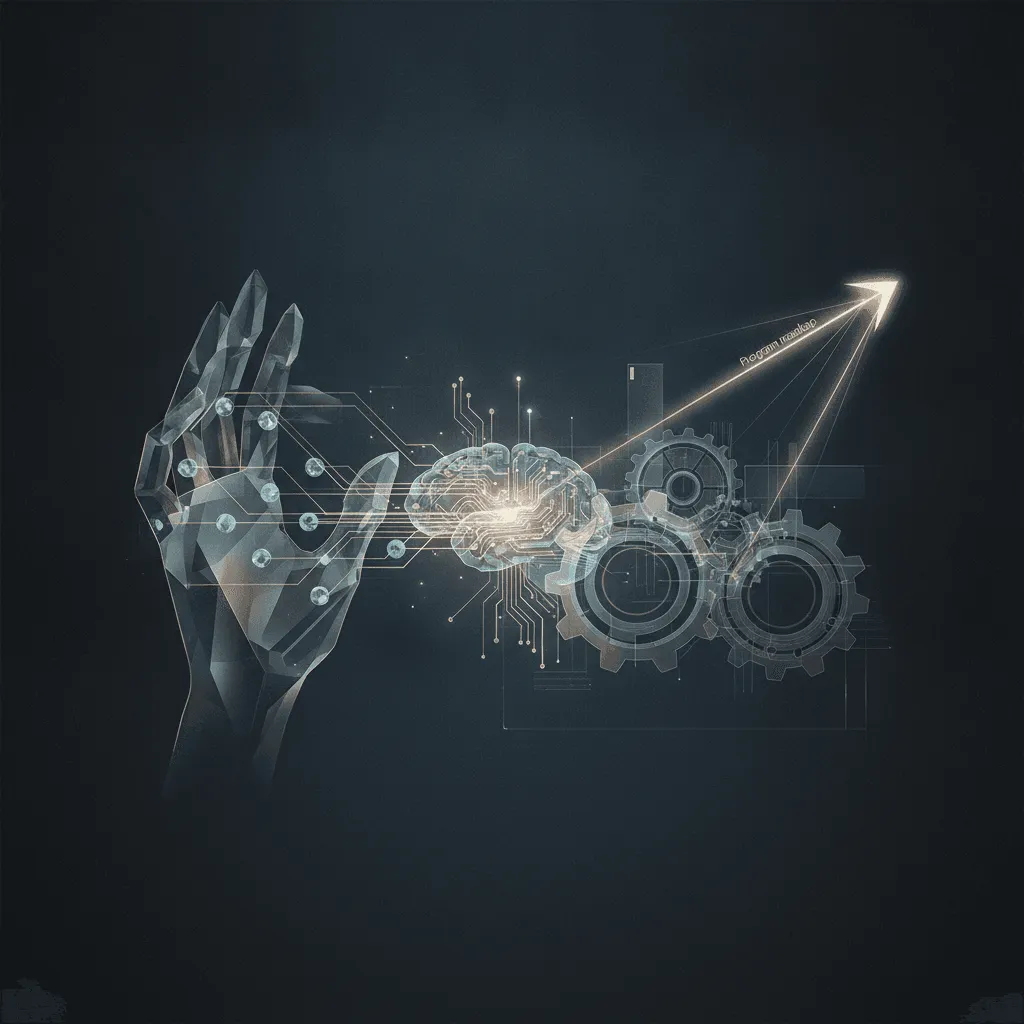
In hardware design, AI is becoming a practical co-pilot. AI-powered templates can standardize project starting points, similar to how automotive engineers use proven crash-test protocols. Future tools will align individual design decisions to program-level roadmaps, allowing leadership to anticipate delays before they derail projects.
Engineers will be able to prompt AI to suggest safe edits, generate block-level circuits, or produce review checklists, leveraging context such as component libraries and approved vendors. This context-aware assistance represents a shift toward AI that augments rather than replaces human expertise in hardware development.