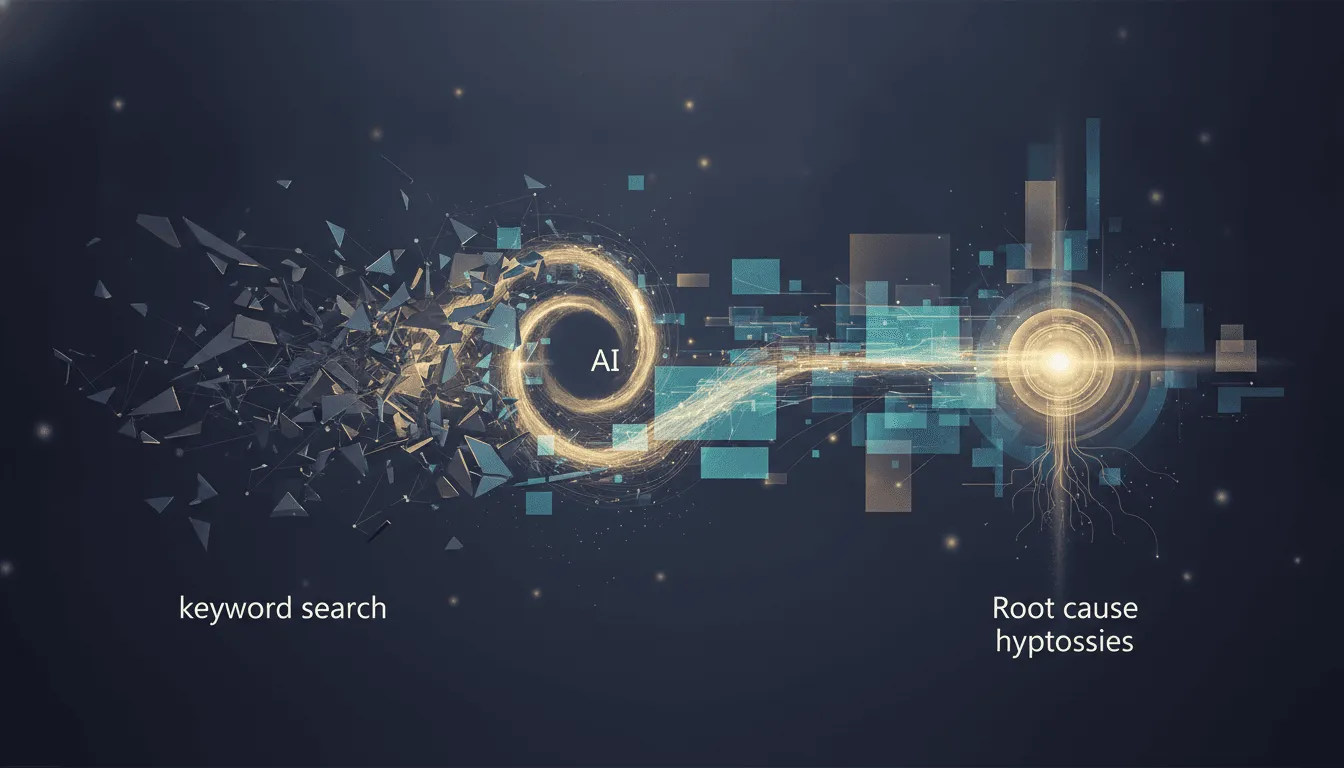
AI in performance engineering is following the broader industry shift from hype to pragmatic deployment. The focus is no longer on whether AI will transform the enterprise, but on how to design infrastructure that turns potential into measurable value. In 2026, pragmatism takes hold: organizations are moving from flashy demos to targeted deployments that augment human work, not replace it. Performance engineering stands to benefit from AI’s ability to analyze vast amounts of test and production data, but only if engineers remain in control. This aligns with viewing AI as 'normal technology'—a tool we design, deploy, and oversee, subject to slow, human-centered adoption. With over 60 countries developing national AI strategies, the technology is clearly here to stay, but its impact depends on thoughtful integration into existing engineering workflows. The question is not whether AI can help find bottlenecks, but how to apply it responsibly without losing the critical eye of the performance engineer.
Anomaly detection is one of the most straightforward applications of AI in performance engineering. By applying machine learning models to production monitoring data—response times, error rates, resource usage—teams can automatically surface unusual patterns that may indicate regressions. The key is to correlate multiple signals: a spike in error rate coupled with a drop in throughput might signal a code regression, while a gradual increase in memory usage points to a memory leak. Proper calibration of alert sensitivity is essential; overly sensitive models generate noise, while too-aggressive thresholds miss real issues. Engineers must validate each alert against the application’s normal baseline and historical trends before acting. Without this human check, teams risk chasing false positives or ignoring subtle degradations, undermining trust in the AI system. The goal is to let AI handle the initial data triage while engineers focus on interpretation and remediation.
AI also brings value to load testing and capacity planning. By analyzing historical load test results—throughput, latency, resource saturation—AI models can identify breaking points and suggest optimal scaling thresholds. These recommendations come from learning patterns across many test runs and production data, enabling proactive capacity planning that reduces the risk of outages. For instance, AI might detect that CPU utilization crosses 80% at 1,000 concurrent users and recommend adding instances beyond that threshold. However, such suggestions must be reviewed against business objectives and baseline performance. Factors like headroom for traffic spikes, cost constraints, and infrastructure limits require human judgment. Engineers should validate AI recommendations against real-world usage patterns, not adopt them blindly. AI accelerates the number-crunching stage, allowing engineers to explore more 'what-if' scenarios, but final sizing decisions remain the engineer’s responsibility. This proactive approach moves capacity planning from reactive firefighting to strategic forecasting.
Distributed tracing generates immense amounts of data, making it a natural fit for AI analysis. Machine learning models trained on trace data can classify common bottlenecks—slow database queries, memory leaks, excessive I/O waits—and pinpoint their location in the call chain. This automation speeds root cause analysis from hours to minutes, giving engineers a head start on diagnosis. However, context is critical: an AI may flag a slow query that is actually acceptable under certain concurrency conditions. Engineers must verify the findings and interpret them within the broader system state, considering factors like caching behavior and request patterns. Integration with existing observability platforms ensures the AI fits into established practices rather than adding another tool. The value is in combining the pattern recognition power of AI with the domain expertise of the engineer to resolve issues with confidence.
The overarching principle across all these use cases is augmentation, not replacement. AI recommendations are hypotheses that require human expertise to confirm and act upon. Avoiding over-tuning to false positives means validating every suggestion against historical baselines and real-world context. The 'normal technology' perspective reinforces this: AI is a tool we control, not an autonomous decision-maker. As one industry analysis put it, 'In 2026, AI will move from hype to pragmatism'—and in performance engineering, practical means keeping the engineer in the loop. Teams that combine AI analysis with seasoned judgment will outperform those that blindly follow automated recommendations. Validation involves cross-checking AI insights with other monitoring signals, performing targeted tests, and relying on a deep understanding of the system’s behavior. Over-reliance can lead to brittle configurations and—worse—missed root causes because the AI didn’t consider a rare, but critical, path. The goal is to use AI to surface patterns faster, not to abdicate responsibility. Ultimately, engineers remain accountable for performance outcomes, and AI serves as a powerful but subordinate tool in that effort.