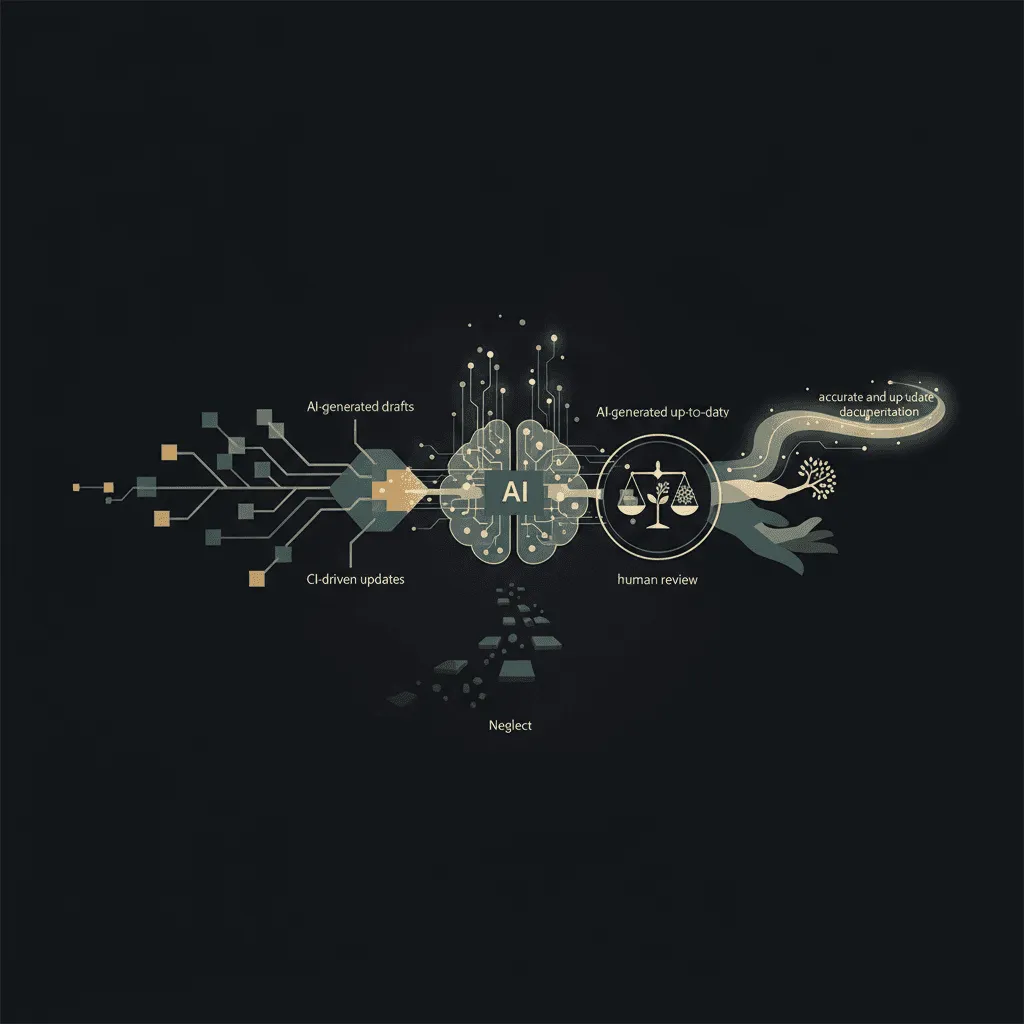
The Stale Documentation Trap
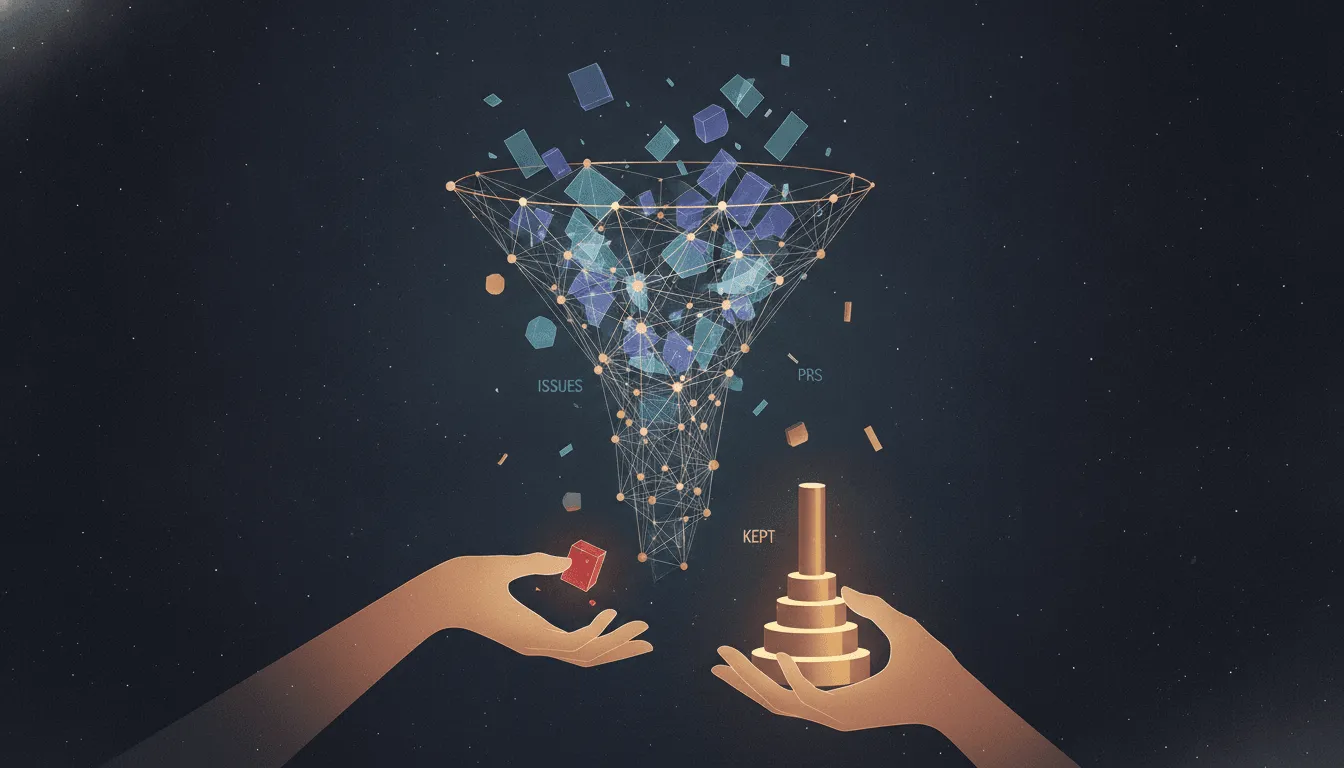
Documentation often becomes outdated soon after it is written, leading to confusion, wasted time, and eroded trust. Teams pay hidden costs in onboarding delays, debugging missteps, and repeated clarifications.
Pragmatic AI Generation: From Code to Docs
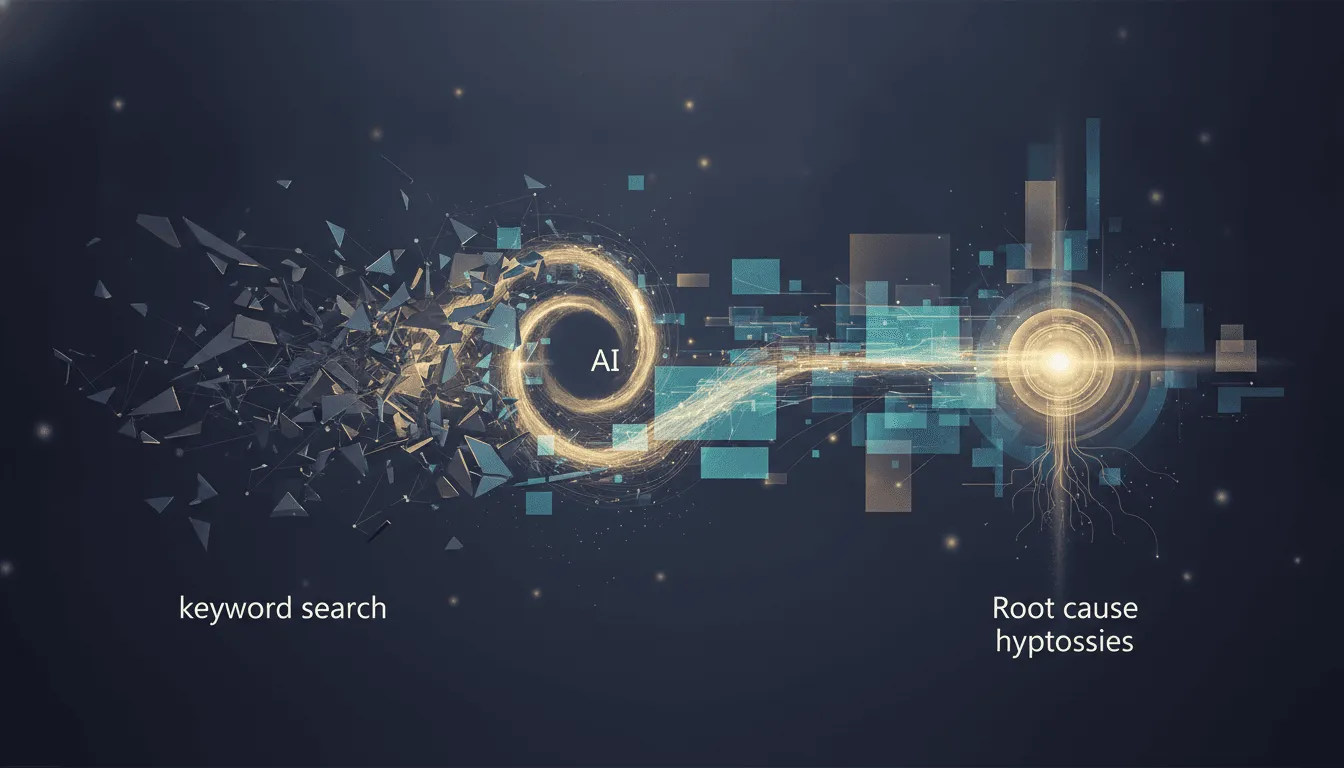
The shift toward practical AI—smaller models that integrate into human workflows rather than pursuing autonomous intelligence—opens a new path for documentation. In hardware design, future tools will allow engineers to prompt AI to suggest safe edits, generate block-level circuits, or produce review checklists, leveraging context like component libraries and approved vendors. The same pattern can be applied to software documentation: a model trained on the codebase can produce a first draft of README files, API references, or change logs, standardizing the starting point just as AI-powered templates can standardize hardware projects.
The Necessity of Human Oversight
However, AI-generated documentation is not self-correcting. Viewing AI as “normal technology”—a tool that humans can and should control—underscores the need for human validation. Automated suggestions require domain expertise to verify accuracy, context, and tone. This echoes the understanding that adoption is slow and shaped by institutional practices; automation is most effective when it augments rather than replaces judgment.
Continuous Freshness Through CI Integration
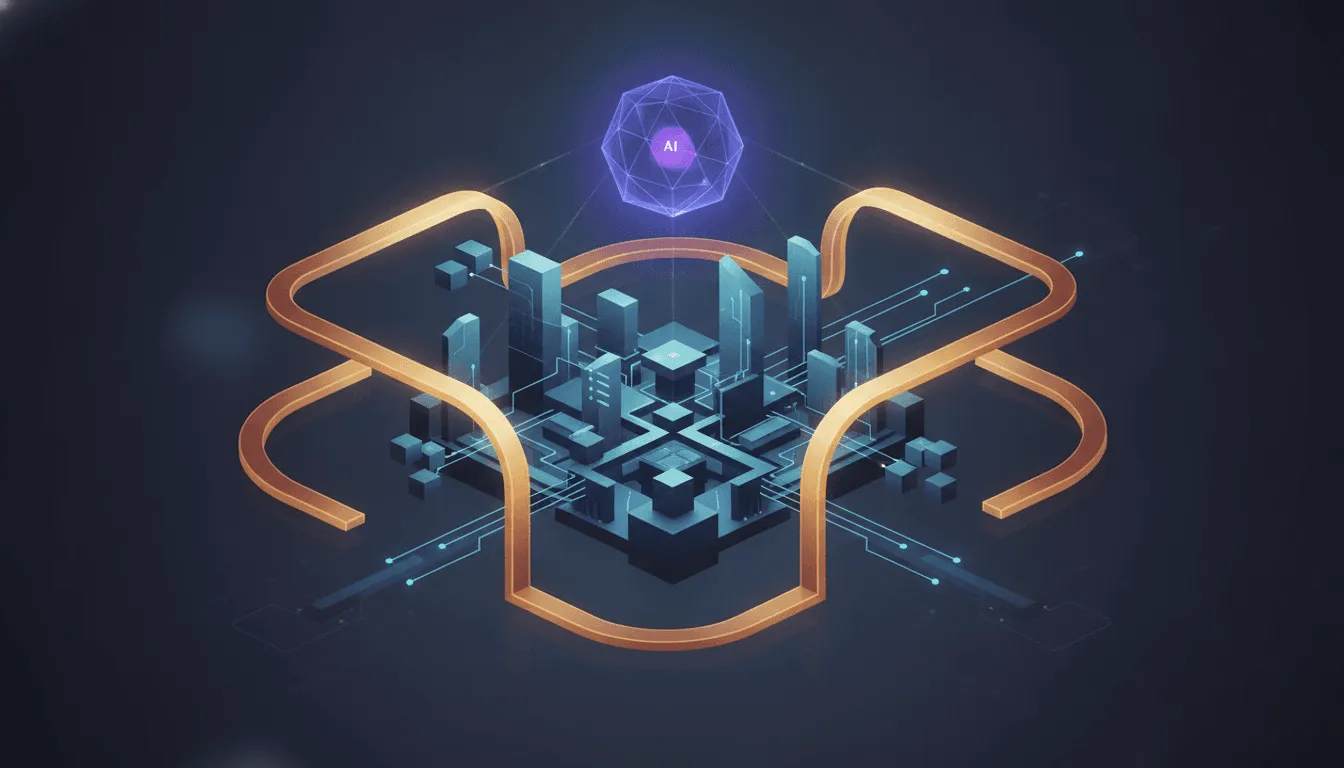
To keep documentation current, teams can embed it into continuous integration pipelines. Linking API documentation to live unit tests, generating release notes from commit metadata, or triggering doc regeneration on code merges automates the review cycle. This aligns with the broader trend of designing AI systems that integrate into existing workflows rather than demanding separate processes.
Building a Sustainable Documentation Workflow
The combination of AI-generated first drafts, human oversight, and CI-driven freshness creates a sustainable loop. Documentation no longer languishes; it is continually created, validated, and updated in step with the codebase. This reduces the cost of staleness and keeps the entire team aligned, turning a neglected task into a living asset.