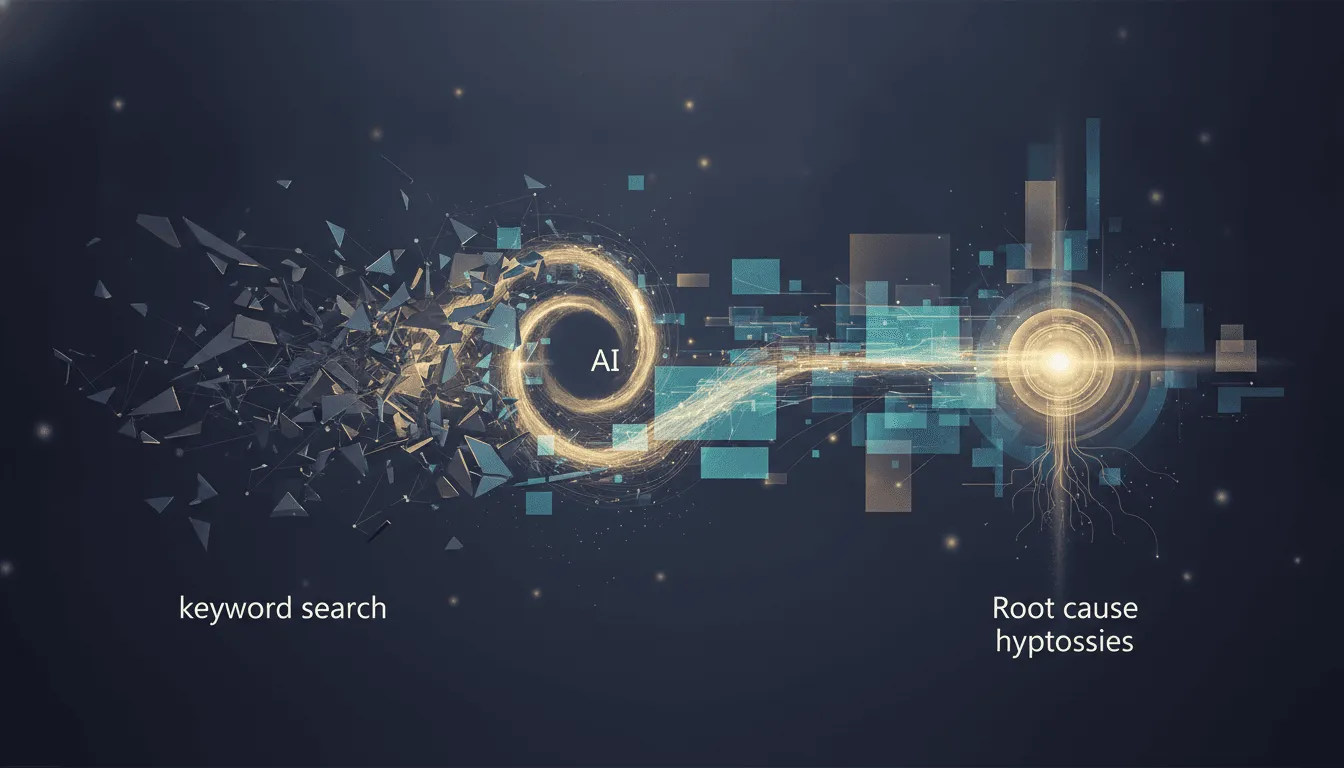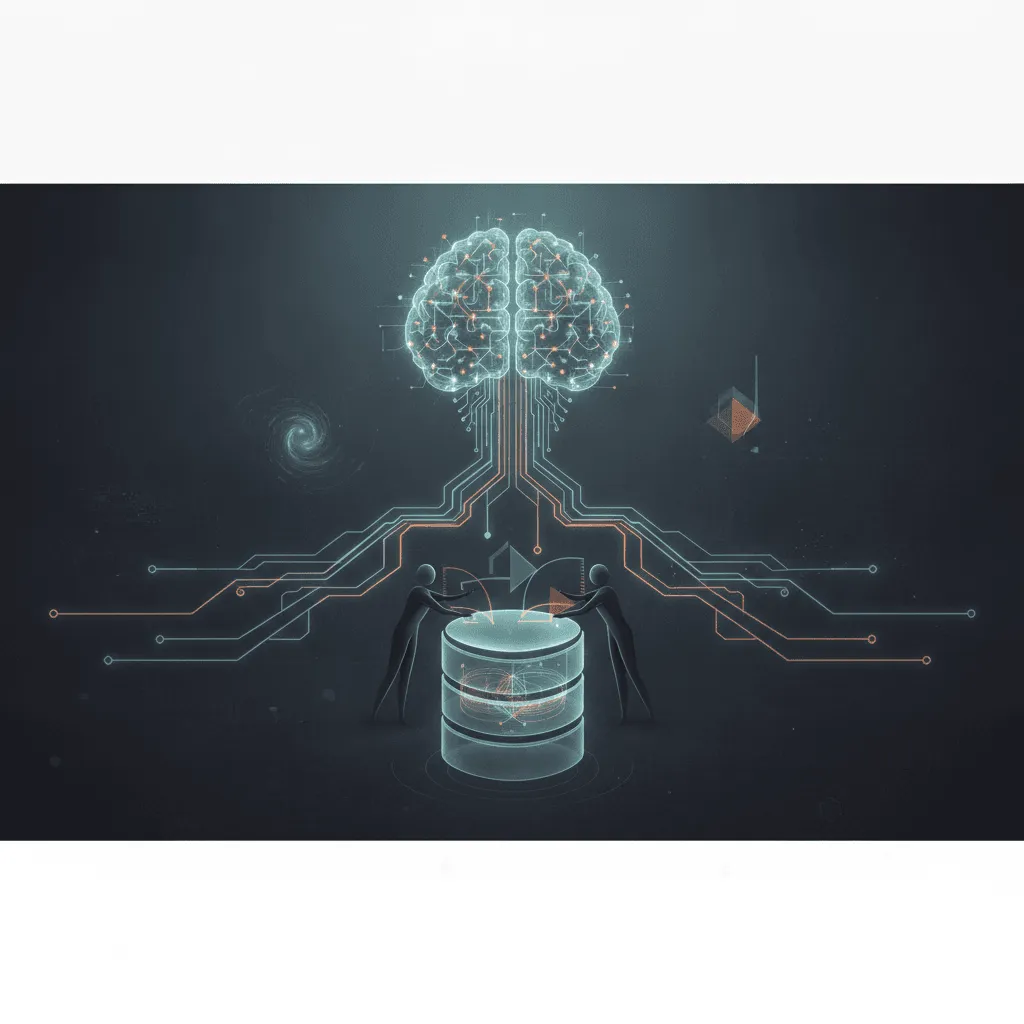
By 2026, the AI conversation has shifted from speculative hype to pragmatic integration. Industry trends show a move away from brute-force scaling toward targeted deployments that augment human work rather than replace it. Database query optimization is a natural fit for this practical AI, where machine learning models analyze execution patterns and schema designs to surface improvement opportunities. These tools function best as co-pilots, offering suggestions that database administrators can evaluate and implement selectively.
The "normal technology" perspective reinforces this framing: AI is a tool meant for human control, not an autonomous decision-maker. In the context of databases, this means AI-generated index recommendations or query rewrites should be viewed as a starting point—a way to accelerate the discovery of potential optimizations—rather than as final answers that bypass human judgment.
Viewing AI as 'normal technology' helps ground expectations. This perspective describes AI as a tool that humans can and should control, not as a superintelligent entity.
Tools like OtterTune and AI EXPLAIN work by ingesting query logs, schema metadata, and performance metrics. They use machine learning models trained on historical workload data to identify patterns—for instance, missing indexes that would reduce sequential scans, or suboptimal join orders that could be rewritten. Their strength lies in surfacing obvious inefficiencies that might otherwise go unnoticed in a busy production environment.
However, even the most sophisticated AI model lacks full context about business logic, concurrency patterns, or data distribution quirks. A suggested index might look beneficial in isolation but could degrade write performance or interact poorly with other queries under real-world loads. The same applies to query rewrites: while an AI might propose restructuring a correlated subquery, it may not account for the specific data skew that makes the rewrite slower.
This is where the risk of false positives enters. Blindly applying every AI recommendation can lead to resource waste, performance degradation, or unexpected interactions between changes. The database community has seen cases where automated tuning tools recommended indexes that never got used, or rewrites that caused regressions in concurrent workloads. Without a human validating each suggestion against actual workload characteristics, the tool can do more harm than good.
Effective integration of AI requires combining its output with domain knowledge and real-time monitoring. Start by using AI suggestions as a hypothesis: identify potential improvements, then test them using performance monitoring tools like pgstatstatements for PostgreSQL or query profiling in SQL Server. Measure the impact on key metrics—execution time, rows examined, I/O, and lock contention—before and after implementing a change.
Prioritize changes by their potential benefit and risk. High-impact, low-risk suggestions—such as adding a missing index that the AI predicts with high confidence—can be implemented quickly. Defer or reject suggestions that conflict with known workload patterns, such as an index that would help one query but slow down dozens of others. Document the rationale for each decision, just as you would with any manual optimization.
Regularly re-evaluate as the workload evolves. AI tools that continuously learn from new data can adapt, but human oversight ensures that the optimization strategy stays aligned with changing business priorities and data access patterns. The DBA's role shifts from manually finding every optimization to curating and validating the stream of suggestions from an AI co-pilot.
The future of database performance lies in effective human-AI collaboration, not fully autonomous tuning. AI can accelerate the discovery of optimization opportunities, but it relies on human judgment to separate genuine improvements from false positives and to integrate changes without disrupting production systems. As AI becomes more normalized and pragmatic, database professionals will increasingly manage AI-assisted workflows—monitoring outputs, applying domain expertise, and ensuring that performance gains are real and sustainable.
Approached this way, AI tools become a powerful addition to the optimizer's toolkit. They do not replace the need for deep understanding of data models and query execution, but they do free practitioners from repetitive analysis, allowing them to focus on higher-level tuning and architecture decisions.