The Pragmatic Shift Toward AI in Pipelines
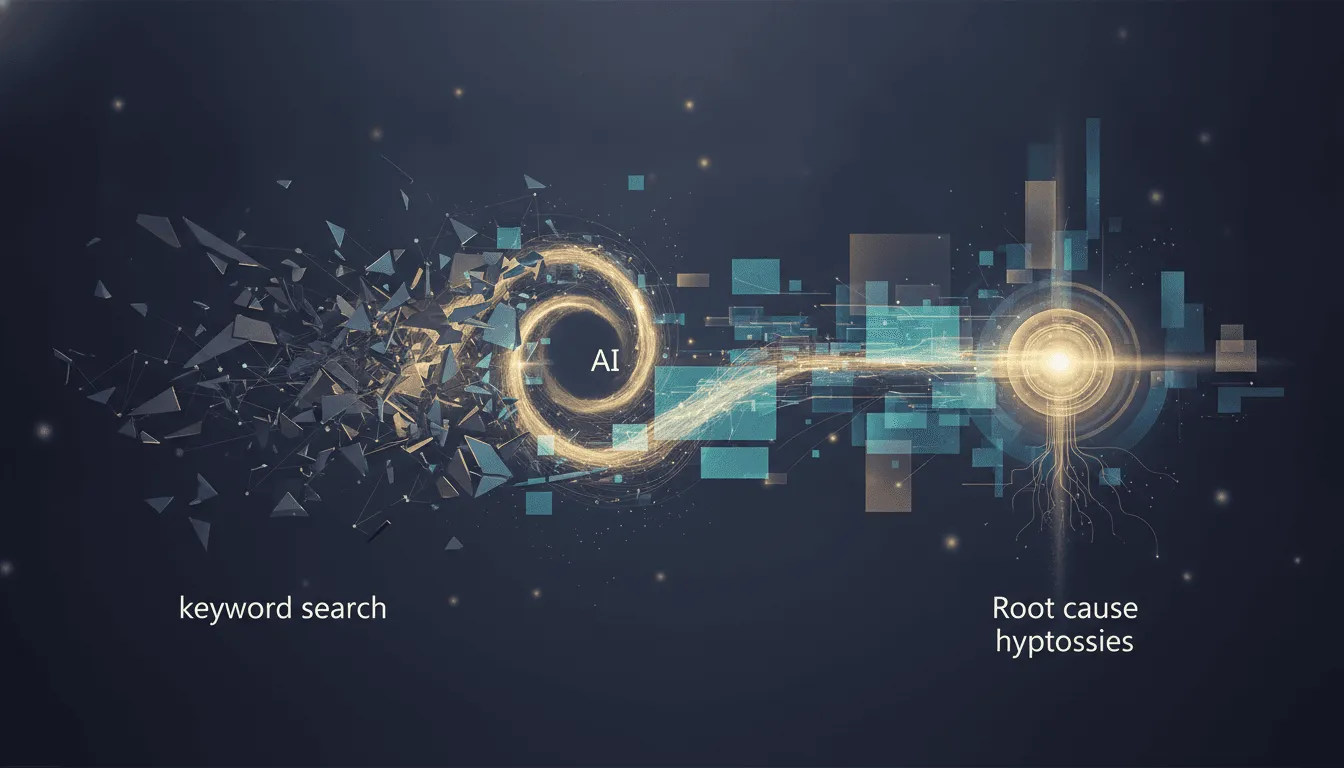
As 2026 unfolds, the narrative around AI is shifting from hype to pragmatism. For DevOps engineers, this means AI tools are becoming practical co-pilots in CI/CD pipelines, analyzing run data to surface issues that would otherwise waste hours. Yet the same principles that govern broader AI adoption apply here: AI is most effective when it stays under human control. The goal is not to automate away human oversight but to free engineers to focus on higher-value work. Teams that treat AI as a black-box decision-maker risk missing the context needed to diagnose complex failures.
Key Use Cases: Flaky Tests, Failure Prediction, and Test Splitting
AI addresses three persistent pain points in CI/CD pipelines: flaky tests, unexpected failures, and long test execution times.
Flaky test detection is a prime candidate for AI. By analyzing historical test runs, machine learning models can identify patterns that correlate with nondeterministic behavior—such as timing dependencies or resource contention—and flag those tests for review. This reduces false positives and helps teams trust their test results.
CI/CD failure prediction takes a proactive stance. Models trained on past pipeline runs can detect early warning signs—like specific code changes or environment states—that often precede a build breakage. Engineers receive alerts before a merge is blocked, allowing them to investigate and fix issues preemptively.
Intelligent test splitting uses runtime data to parallelize test execution more effectively. Instead of static groupings, AI models learn from actual execution times to minimize total pipeline duration. The split adapts automatically as test behavior evolves, reducing wait times without manual intervention.
Integrating AI Tools Into Existing CI/CD Systems
Choosing the right AI tool for pipeline optimization depends less on raw model capability and more on how it integrates with your existing infrastructure. There is no single best model; the most effective solution is one that fits seamlessly into your current CI/CD ecosystem—whether that’s Jenkins, GitLab CI, GitHub Actions, or a custom setup. Integration should be incremental, adding AI capabilities alongside existing processes without requiring a complete overhaul. Compatibility with current tools and workflows is paramount to avoid adding complexity.
Explainability is equally critical. AI-generated recommendations—such as flagging a test as flaky or predicting a build failure—must be reviewable by human engineers. Teams should be able to inspect the reasoning behind each suggestion, building trust in the system. Without transparency, recommendations may be ignored or, worse, followed blindly, undermining the collaborative relationship between humans and AI.
Pitfalls: Data Drift and Over-Reliance on Automation
While AI offers clear benefits, pipelines that rely heavily on automated decisions risk two interrelated problems: data drift and the erosion of engineering intuition.
AI models trained on historical pipeline data can lose accuracy as codebases, test suites, and deployment environments evolve. A flaky test detection model trained on last year’s test runs may misclassify new patterns, leading to missed regressions or false alarms. Teams must monitor model performance and retrain regularly on fresh data to counter drift.
The second pitfall is over-reliance. Engineers who lean on AI for every analysis may gradually lose the ability to diagnose root causes manually. Research warns that excessive dependence on AI tools can reduce engineers’ competence and creativity. When AI makes wrong suggestions, engineers with less hands-on experience may fail to catch errors. The remedy is to treat AI as an amplifier, not a replacement. Critical validation must remain in human hands, and automated decisions should be paired with review processes that keep engineers engaged.
Fostering Team Collaboration Around AI Recommendations
The most successful AI implementations in CI/CD treat machine recommendations as starting points for discussion, not final verdicts. Teams should establish clear review processes where flagged tests, predicted failures, and split suggestions are examined by engineers before action is taken. This collaborative approach ensures that context—such as an upcoming feature branch or a known infrastructure issue—is incorporated into decisions.
Regular audits are essential. Teams should periodically compare AI predictions against actual outcomes and retrain models using updated data. This keeps the system aligned with current pipeline behavior and reduces the risk of drift. Furthermore, fostering collaboration between DevOps engineers and data specialists helps bridge the gap between operational expertise and machine learning. When both groups work together to define success metrics and review model outputs, pipeline optimization efforts stay grounded in business objectives.
Conclusion: Balancing Automation and Oversight
AI-driven CI/CD optimization is not about removing humans from the loop but about equipping them with better information. When applied pragmatically, AI can reduce noise from flaky tests, shorten pipeline durations, and catch failures early—allowing engineers to focus on delivering value. The risk lies in veering too far toward automation, creating a system that micromanages every step and obscures the very problems it was meant to solve. The future of CI/CD is not autonomous pipelines but augmented intelligence: AI as a helpful co-pilot that amplifies human judgment rather than overriding it.