Breaking changes in APIs are a perennial pain point. Every version bump risks breaking consumers, and manual migration is error-prone and slow. Meanwhile, the broader AI trend is shifting from flashy demos to targeted, practical deployments. As noted by industry observers, 2026 will be the year AI gets practical: smaller models, embedded intelligence, and systems designed to augment human workflows. This pragmatism opens the door for AI to tackle specific logistics of API versioning—analyzing usage, generating migrations, and testing compatibility. But AI is a tool we remain in control of, and its application must be curated carefully. Without human oversight, even well-intentioned AI can slip bad patterns into production.
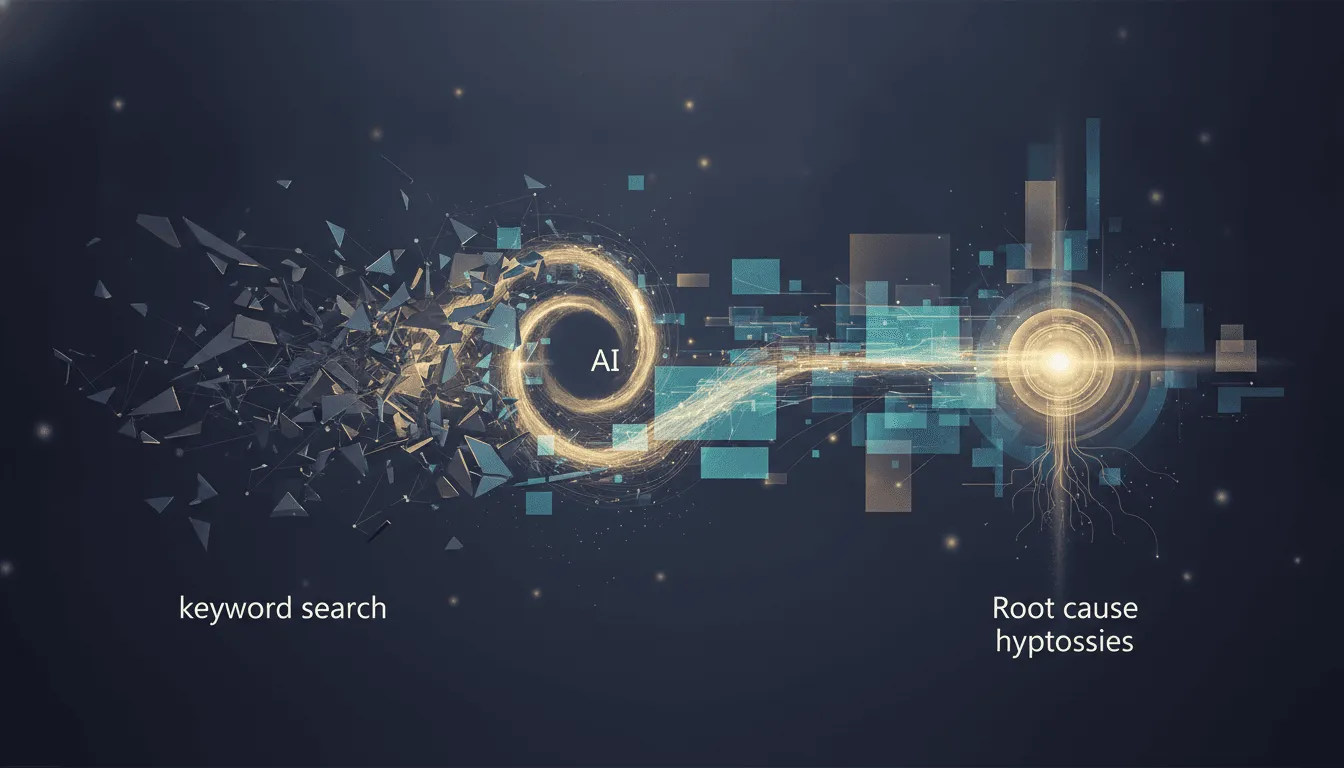
One immediate application is mining API usage logs. A model can be trained on historical logs to recognize calls to deprecated endpoints. The output is a prioritized list of consumers still relying on old calls, sorted by call frequency and last activity. This accelerates the manual log analysis that platform teams routinely perform, reducing the risk of overlooking a forgotten consumer. Rather than combing through gigabytes of logs, teams receive a targeted report with actionable insights—who to notify, which endpoints are affected, and how urgently.
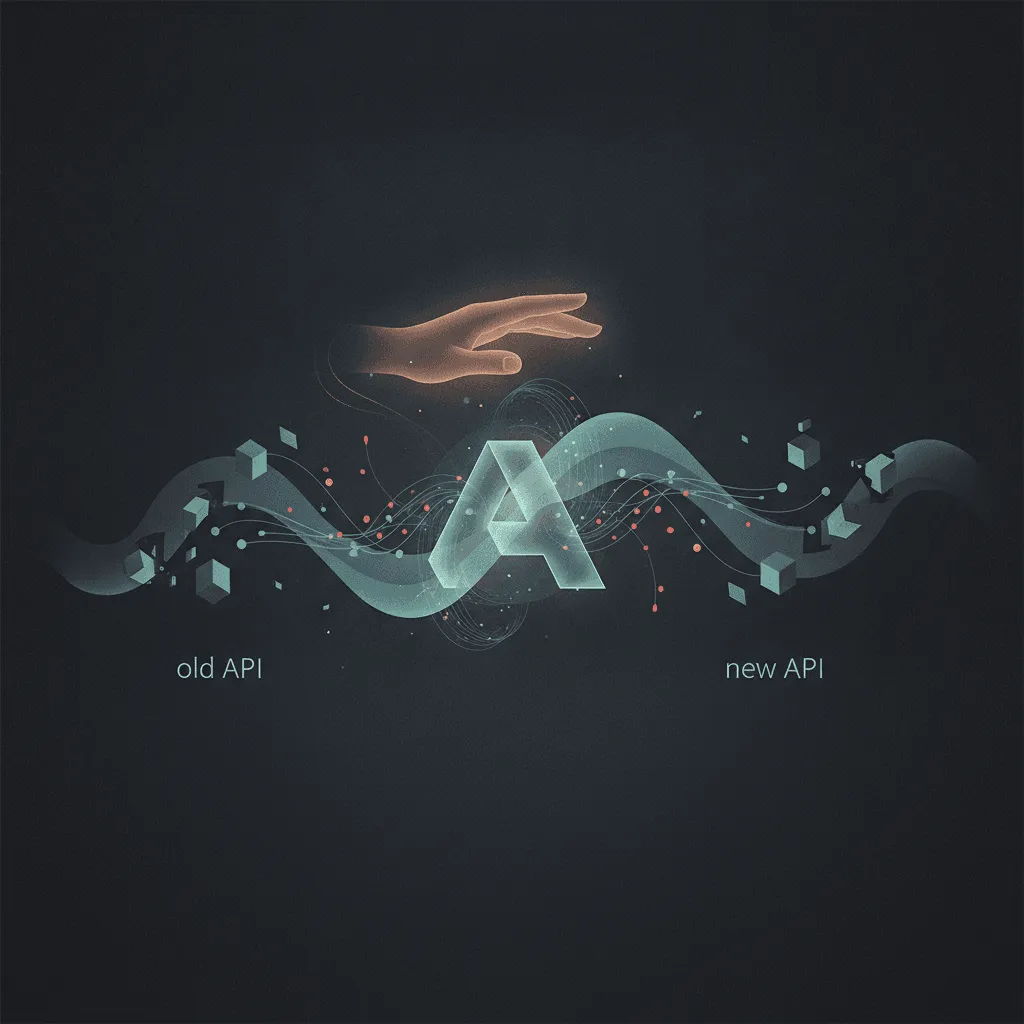
AI can also ease the migration itself. Feed a language model the git diff between two API versions, and it can auto-generate migration code snippets and even a changelog from commit messages. This saves developer time by producing first-draft documentation and code examples that consumers can adapt. However, generated code must always be reviewed and tested. LLMs may hallucinate incorrect usage patterns, especially when the API has subtle behavior changes. Automated changelogs, too, require human polish to ensure they are accurate and comprehensive.
Backward compatibility testing is another area where AI assists. By scanning consumer codebases for uses of changed endpoints, AI can flag potential breakages and suggest which test scenarios to run. It can even generate test suites that focus on affected paths, reducing the regression test effort. But AI-based test generation may miss edge cases, particularly those involving complex business logic or non-obvious dependencies. The best approach is to combine AI suggestions with traditional test strategies—using AI to broad-stroke coverage while humans design corner-case tests.
Throughout, human oversight remains non-negotiable. AI tools are assistants, not replacements. Without curation, AI risks propagating bad patterns or breaking consumers with incorrect auto-migrations. The ethos of "AI as normal technology" applies here: we keep control, adopt slowly, and integrate tools into existing workflows.
AI is a tool that humans can and should control.
Platform teams should use AI to augment their work, not delegate critical decisions. With careful oversight, AI can smooth the pains of API versioning—but only if humans stay in the loop.