Why Diff Summaries Hide Context
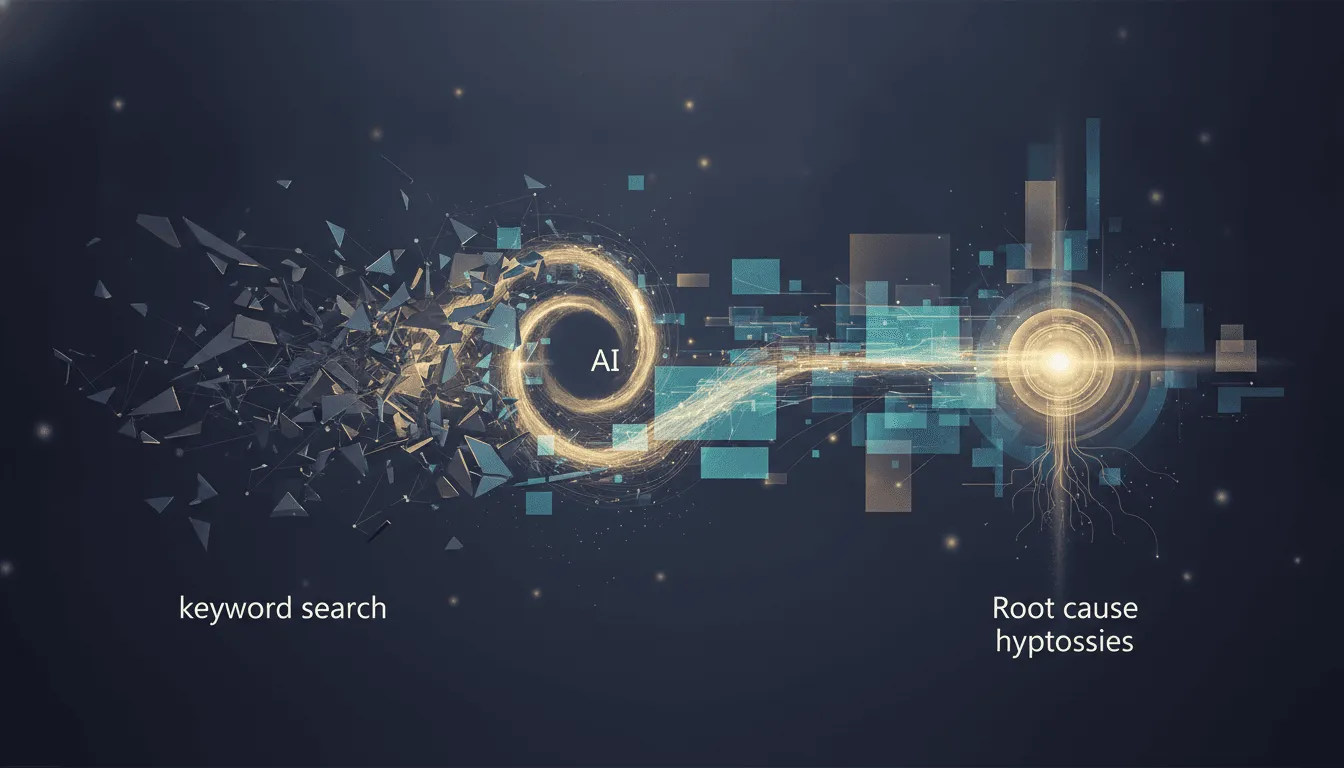
AI-generated commit messages default to summarizing the staged diff. Without extra context, the model restates which files changed and skips the reason they changed. A summary of the diff is not a record of intent. The staged diff contains only the final state of the code; the reasoning that led there sits in pull request discussions, issue comments, and the author's memory.
A model may produce a superficial diff summary that hides the original rationale, and that gap can be hard to spot in a quick review. Conventional Commits enforces format, not intent. A message that follows the spec can still be context-free: 'fix: update function signatures' tells a future maintainer what changed, not why the API was broken.
Teams that rely on these messages as their only documentation inherit that gap.
Prompts That Force the Why
You can push the model past the diff by giving it more to work with. Raycast AI Commands, for example, can inject the current browser tab (a Jira ticket or GitHub issue), a short summary of the change, and the staged diff with extra context lines: git diff --cached -U4. That combination gives the model the task's intent, not just its final state.
A practical prompt shape asks for an imperative-mood summary, an explanation of the why, and bullet points when the change touches multiple areas. Require the model to reference issue IDs, test outcomes, and behavioral changes, not file paths alone. The difference is visible in the output: 'Add retry logic to the payment client' says what; 'Retry payment submission when the gateway times out, per PAY-118' says why.
Treat the output as a draft. A git alias that generates the message, displays it, and asks for confirmation before committing prevents blind acceptance. The extra step takes seconds and catches the messages that sound confident but miss the point.
Guardrails for Teams
Teams can standardize the output without standardizing the thinking. GitWiz reads per-repo .env settings for model, language, and message template, and it offers prompt modules for Conventional Commits or commitlint. You can also enable a description postface or GitMoji. The configuration keeps the format consistent across a team, but it does not guarantee the content explains intent.
A more formalized skill, git-commit-pr-message from the ai-agent-skills repository, generates Conventional Commits messages, PR titles, and changelog entries, scans for sensitive content, and links tickets. That reduces the chance of losing important context before the message is written.
Add a lightweight CI lint step, such as commitlint, or a pre-commit hook to enforce structure. The lint step catches missing type prefixes and malformed scopes, but a human still has to verify the why. A template that includes a 'Why' field makes the intent explicit, and a reviewer can reject a message that leaves it blank. The goal is a consistent, reviewable draft, not an unexamined final message. Teams that already treat AI-generated unit tests as drafts can apply the same rule here.
When to Disable AI Commit Messages
Some commits should stay human-authored. Revert commits need a precise explanation of what is being undone and why; a generated summary of the diff adds little. A revert of a payment migration, for instance, needs the original problem and the reason the migration was abandoned. A generated message that says 'Revert commit abc123' tells the reader nothing about the outage it caused.
Hotfixes and security-sensitive changes should not rely on model-written rationale. A plausible but wrong message can mislead auditors or future maintainers. For hotfixes, the audit trail matters more than speed; a wrong 'why' can send the next engineer in the wrong direction.
If the team's workflow already requires a detailed manual message, for compliance or release notes, automation only adds a correction step. In those cases, the model's draft is not a time saver; it is an extra edit. Disabling AI here is a configuration choice that keeps automation where it saves time.