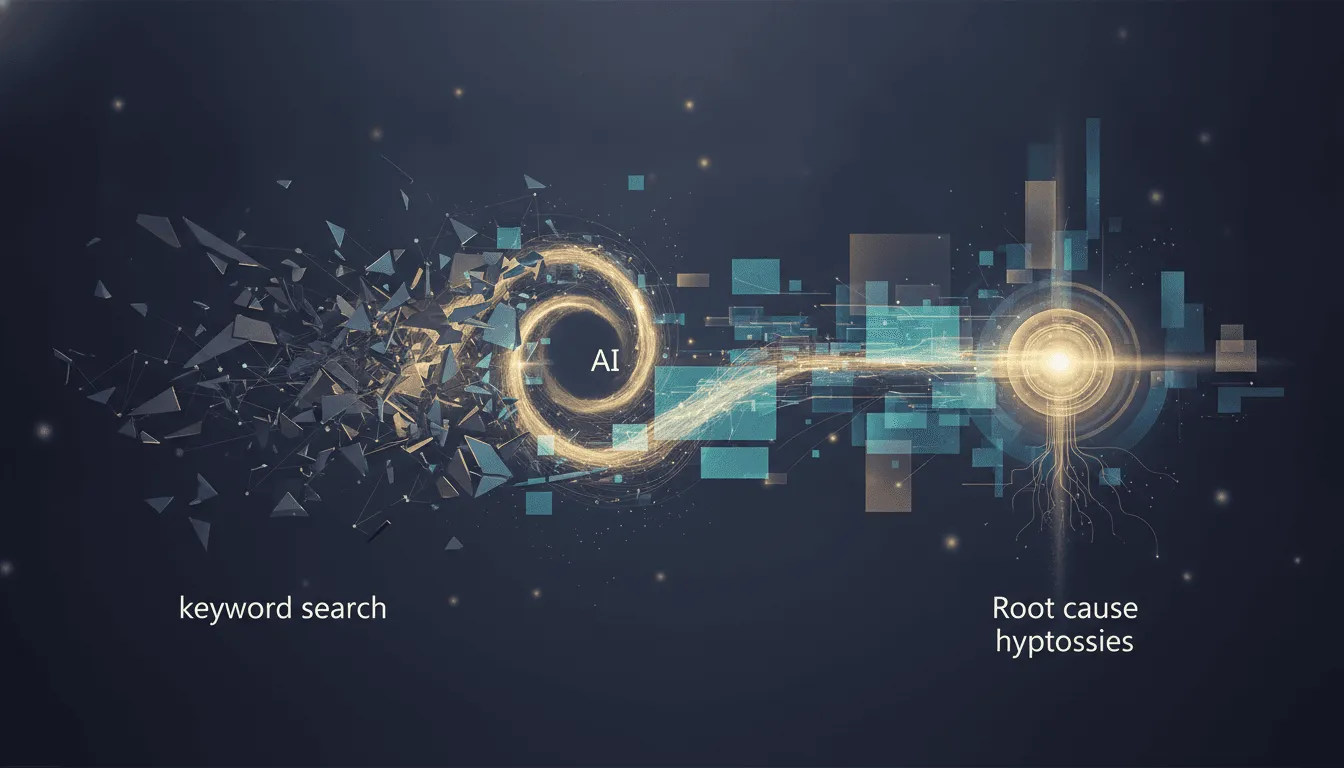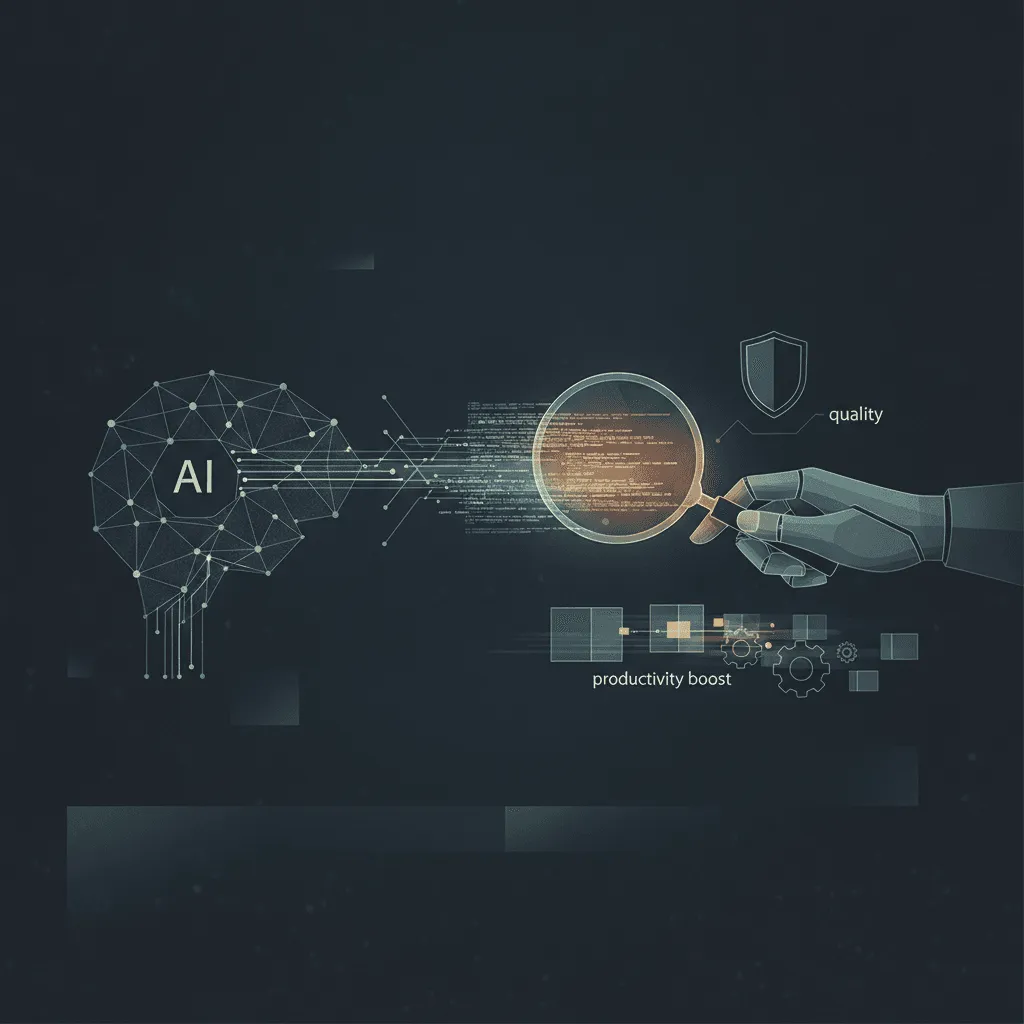
The hype around artificial intelligence is giving way to a more pragmatic focus. According to industry observers, 2026 is shaping up as the year AI gets practical, with a shift from brute-force scaling of large language models to deploying smaller models and embedding intelligence into devices that integrate into human workflows. This transition marks a move from flashy demos to targeted deployments, and from agents promising autonomy to those that actually augment work. The concept of AI as 'normal technology' reinforces this perspective, viewing AI as a tool that humans can and should control, emphasizing continuity with past technological revolutions.
For software developers, this pragmatic shift means treating AI like a junior pair programmer: excellent for formulaic tasks, but requiring oversight. AI is well-suited for generating documentation, unit test boilerplate, code formatting, and refactoring—tasks with clear patterns that are time-consuming but low-risk. These are the software equivalents of the AI-powered templates and checklists used in hardware design, where engineers prompt AI to suggest safe edits and produce review checklists by leveraging context like component libraries.
To get useful outputs, developers must learn to iterate on prompts. Rather than accepting a first response, they refine the prompt by providing more context from the codebase, specifying the desired style, or breaking down a complex task into smaller steps. This mirrors the way hardware engineers use AI to generate block-level circuits by prompting within the context of their design environment. Effective prompting turns AI from a generic generator into a context-aware assistant.
Regardless of how helpful AI appears, its output demands the same rigorous verification as human-written code. Code review and testing remain non-negotiable. AI-generated code can contain subtle errors or security vulnerabilities, and treating it as final without scrutiny defeats the purpose of using a tool meant to augment human judgment. The normal technology perspective underscores that human control and oversight are essential; institutions must shape how AI is deployed, including enforcing quality standards.
There is also a risk of over-reliance, where developers lean so heavily on AI that their own coding skills atrophy. A balanced approach, consistent with the pragmatic view, is to treat AI as an assistant that augments human skills rather than replaces them. Developers should continue to practice core tasks without AI assistance, especially those involving complex logic or design decisions, while consciously developing the judgment that comes from hands-on problem solving. This ensures AI remains a tool for augmentation, not a crutch that diminishes capability.